
Xeriscape Mistakes to Avoid in the Phoenix Valley
Xeriscaping is one of the smartest things you can do with a Phoenix Valley yard. Done well, it uses far less water than grass, needs less upkeep and looks right at home in the desert. Done poorly, it can turn into a hot, barren rock yard, a weed patch, or a collection of struggling plants. The good news is that most xeriscape problems come from a handful of predictable mistakes. Here is what to watch out for.
Mistake 1: All Rock, No Plants
The most common misunderstanding about xeriscape is that it means replacing grass with rock and calling it done. A yard that is all gravel can feel hot, flat and unfinished. Rock absorbs and radiates heat, so a bare rock yard can make your home and patio feel warmer, and it offers no shade, color or habitat.
The fix: Xeriscape is about low-water plants, not no plants. A good design layers shade trees, shrubs, accent plants like agaves and cactus, and groundcovers, then uses rock, boulders and dry riverbeds to tie it all together. If you are converting grass, some city rebate programs also require a minimum amount of plant coverage. See our front yard xeriscape and backyard xeriscape pages for examples of balanced designs.
Mistake 2: Wrong Plants for the Exposure
A plant that thrives on the east side of your house may scorch on a west wall. The low desert is full of microclimates. West and south exposures, especially next to block walls, driveways and windows, get intense reflected heat. North sides and spots under trees stay much cooler and shadier.
The fix: Before choosing plants, note how much sun each area gets in summer afternoons. Use tough, heat-loving plants like hopseed, many cactus and agaves, and desert natives in the hottest spots. Save plants that prefer afternoon shade, like Carolina cherry laurel or many aloes, for east and north exposures.
Mistake 3: Skipping Drip Irrigation
Desert plants are drought tolerant once established, but nearly all of them need regular water during their first year, and many look much better with some water long term. Hand watering is easy to forget during a busy week, and overhead sprinklers waste water and wet areas that do not need it.
The fix: Install a drip system that delivers water directly to each plant’s root zone, with separate valves for trees and for smaller plants if possible. Adjust the timer with the seasons. Our drip irrigation guide explains the basics, and our watering rules for trees show how much water trees need through the year.
Mistake 4: Using Plastic Sheeting Instead of Landscape Fabric
Some people put solid plastic sheeting under rock to stop weeds. It seems like a good idea, but plastic blocks water and air from reaching the soil. Rain runs off instead of soaking in, soil underneath can become unhealthy, and roots of nearby plants suffer. Over time, plastic also breaks down and pokes up through the rock.
The fix: Use a quality permeable weed fabric that lets water and air pass through. Cut generous openings around each plant rather than wrapping fabric tightly against stems and trunks, and cover the fabric fully with an adequate layer of rock so it is protected from the sun.
Mistake 5: Planting Too Close to Walls
When plants are small, it is tempting to tuck them right up against a block wall or the house. A few years later, the plant is lopsided, pressed against the wall and baking in reflected heat. Tree roots and trunks too close to walls and foundations can also cause problems, and you lose access for pruning and maintenance.
The fix: Plant far enough from walls that the plant can reach its natural width on all sides. A good rule of thumb is to set a plant at least half its mature width away from a wall, and give trees even more room. Our privacy hedges page covers spacing for screening plants along walls.
Mistake 6: Ignoring Mature Size
That small shrub in a 5 gallon pot may become 8 feet wide. Trees that start out thin can grow into large canopies. When plants are spaced for how they look on planting day, the result is a crowded yard a few years later, constant pruning, and plants sheared into shapes that do not suit them.
The fix: Look up the mature height and width of every plant before you place it, and space for that size. The yard may look a little sparse at first, but it will fill in. In the meantime, rock, boulders and a dry riverbed keep it looking finished. Also watch mature size near sidewalks, driveways, pools and HOA sight lines. Our HOA front yard landscaping page has more on that.
Mistake 7: Planting in Summer Heat
Many homeowners get motivated to redo their yard in early summer, right when conditions are hardest for new plants. Plants set out in June or July face intense heat before their roots can reach beyond the original root ball, which means more stress, more watering and more losses.
The fix: Plan installation for fall, which is the best planting season in the Valley, or for spring. Heat lovers like palms and many cactus are the exception and can be planted in warmer months with care. Our planting page explains how we approach timing.
Bonus Mistakes Worth Mentioning
- Ignoring drainage. Water from roofs and patios needs somewhere to go. A dry riverbed can handle runoff and look great doing it.
- Too thin a layer of rock. Thin rock lets fabric show and weeds poke through.
- Too many different plants. Repeating a smaller palette of plants usually looks more cohesive than one of everything.
- Overwatering established plants. Desert plants are often killed by kindness. Stretch intervals as plants mature.
Planning a Grass to Desert Conversion?
If you are replacing grass, check whether your city offers a rebate before you start, since many programs require approval before any grass is removed. Our grass to desert conversion page walks through the process.
Get It Right the First Time
Xeriscape design and installation are back on the schedule now, covering consultation, design and installation with native plants, weed fabric, landscape rock, dry riverbeds and boulders. Ask about a xeriscape quote for your yard. Just adding plants? Shop at threetimbersshop.com and add planting at checkout so our crew plants them the day after delivery.
More from the Arizona blog
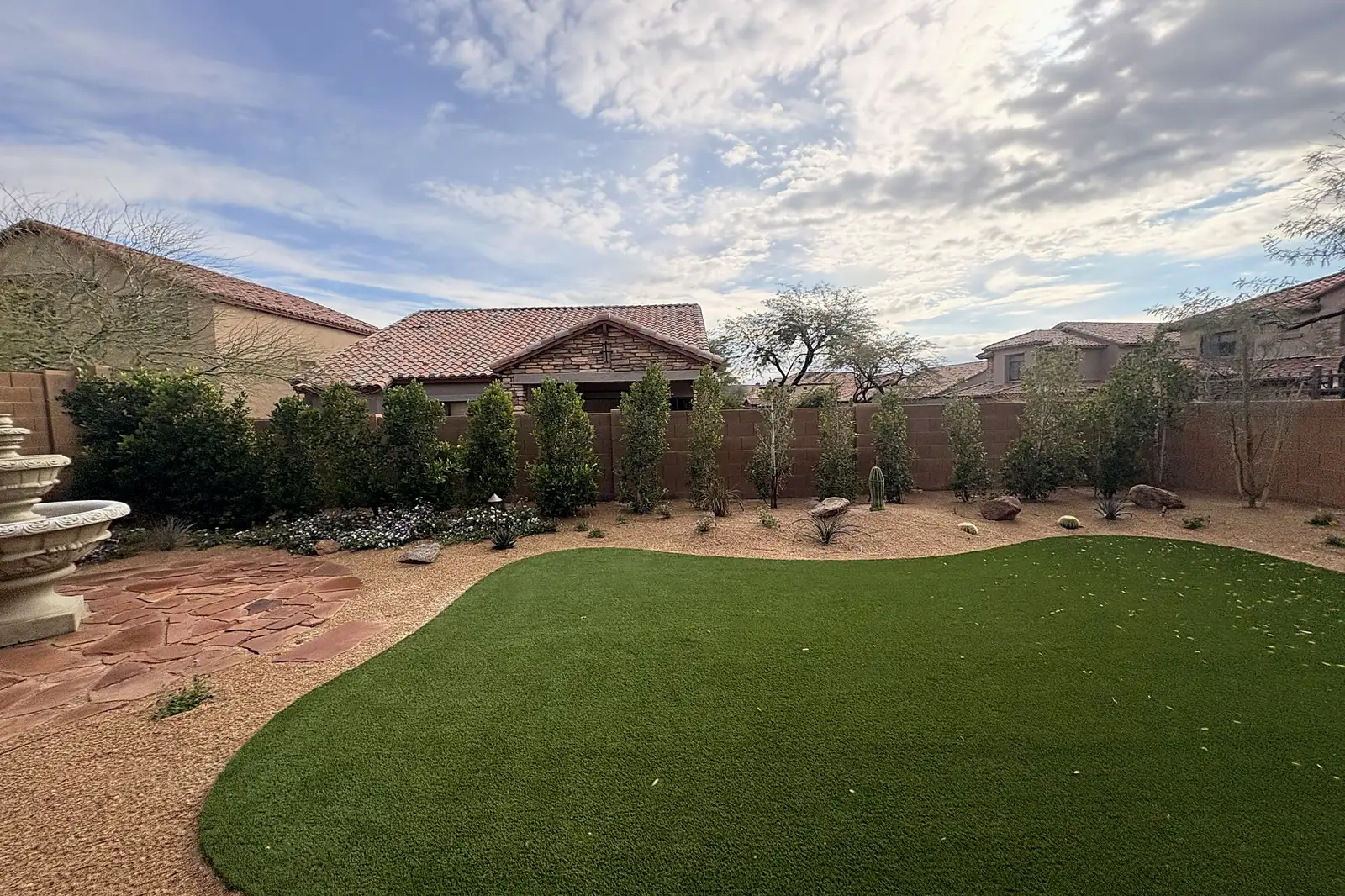
Privacy Hedges for Arizona Yards: Comparing the Top Choices
Want more privacy without a taller wall? Compare the most popular privacy screen plants for the Phoenix Valley, including growth rate, spacing, sun and…
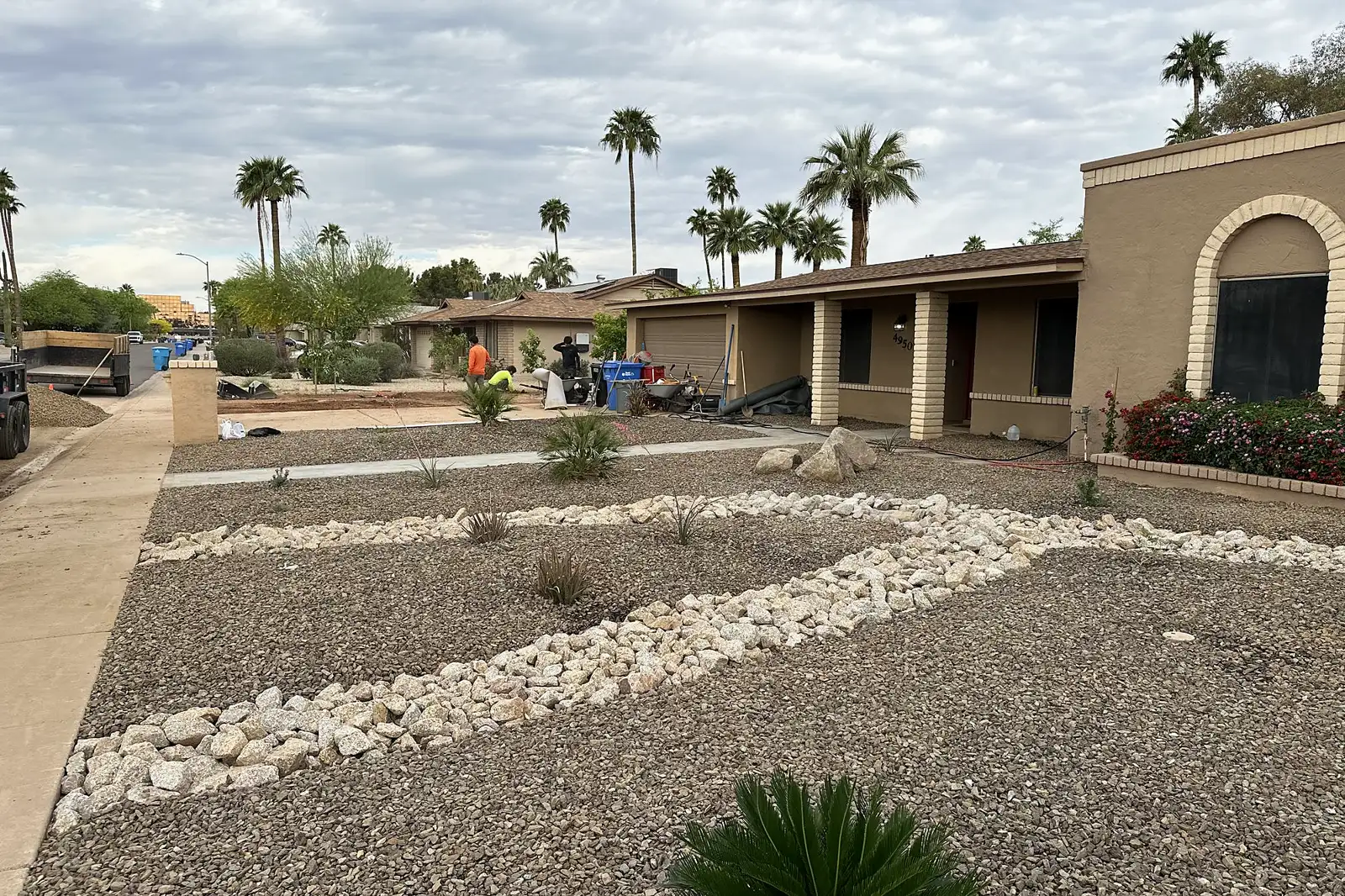
Grass Removal Rebates in the Phoenix Valley: A City Guide
Several Valley cities help homeowners pay to replace grass with low-water landscaping. Here is an overview of the programs and what to check before…
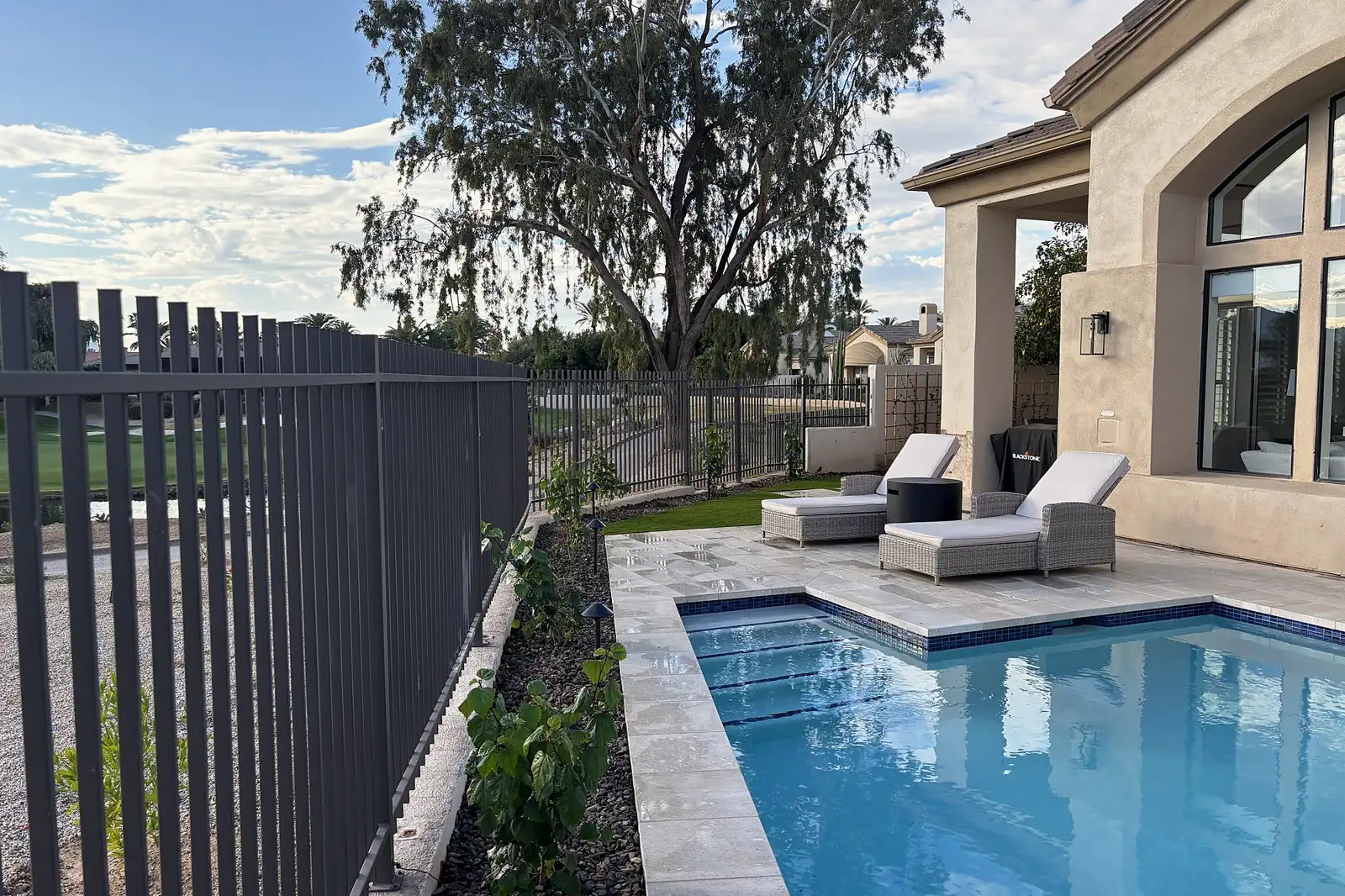
Best Plants Around Pools in Arizona (and What to Avoid)
The right plants make a pool area feel like a resort without filling your skimmer. Here are low-litter, heat-tolerant picks and the plants to…