What You Need to Know About Yard Drainage
Drainage Assessment
Drainage problems have specific causes, and the fix starts with finding them. We walk your property during or after rain when possible, identify where water collects and where it flows, check downspout discharge points, evaluate soil percolation rates, and assess grade relative to your foundation. Many drainage issues in the Twin Cities trace back to heavy clay subsoil that holds water instead of letting it pass through. Our assessment pinpoints the source so we install the right solution--not just a band-aid.
System Components
We use commercial-grade drainage materials rated for Minnesota conditions. Corrugated and solid-wall drain pipe in 4" and 6" diameters, woven and non-woven geotextile filter fabric, clean washed drainage aggregate, catch basins and channel drains with grates, pop-up emitters, and dry well chambers. Every component is selected for long-term performance--no thin-wall pipe that crushes under soil pressure and no cheap fabric that clogs in two seasons.
Pricing
Drainage project costs depend on the type of system, total linear footage of pipe, depth of excavation, and site accessibility. A simple downspout extension with a pop-up emitter is the most affordable fix. French drain systems, channel drains across driveways, and full yard regrading are larger investments that solve bigger problems. We provide detailed estimates that break down materials, labor, and restoration (sod or seed) for the disturbed areas so you know the full cost upfront.
Installation
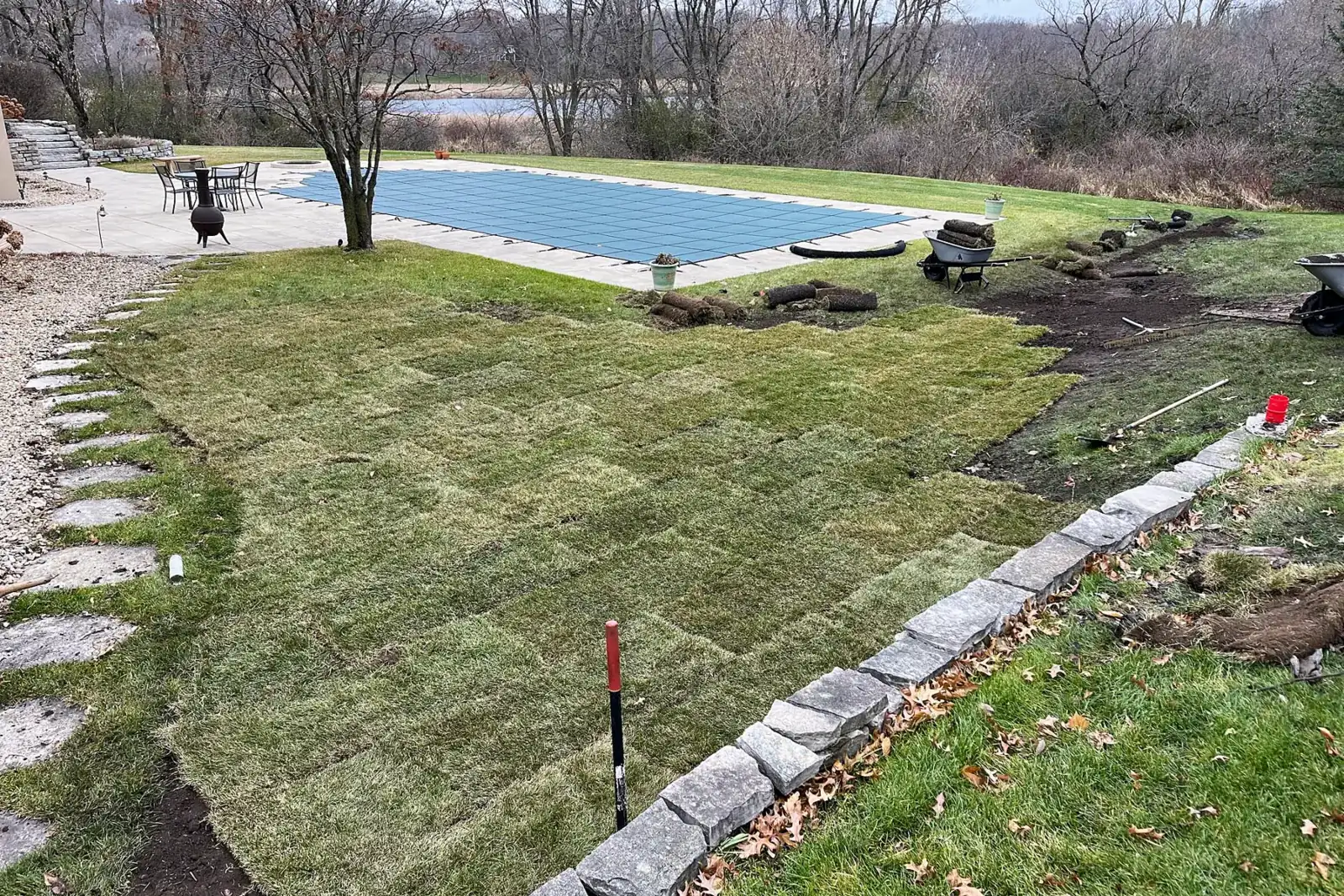
We excavate trenches to the proper depth and slope (minimum 1% grade toward the discharge point), line them with geotextile fabric, and lay perforated or solid pipe on a bed of washed stone. The trench is backfilled with drainage aggregate and wrapped in fabric to prevent soil intrusion. Catch basins are set at low points to collect surface water. All pipe connections are sealed and all discharge points are positioned to move water away from structures and toward approved drainage areas. After the system is installed, we restore disturbed turf with sod or seed and put your yard back together.
Solving the Problem, Not Hiding It
We do not just bury pipe and hope for the best. Every drainage system we install follows a grading plan that accounts for water volume, soil conditions, and discharge requirements. We test the system before backfilling to confirm flow rates and catch any issues. Our crew restores your lawn and landscape after installation so the finished product looks clean--most homeowners cannot tell where we dug once the turf fills in. We stand behind our drainage work because we build systems that actually solve the problem.
Drainage Systems We Install
French Drains
The most common solution for subsurface water. A perforated pipe wrapped in filter fabric and surrounded by drainage stone collects groundwater and redirects it to a discharge point. French drains work along foundations, at the base of slopes, and through low-lying yard areas where water tends to pool after rain or snowmelt.
Channel and Trench Drains
Surface-level drains set into concrete, pavers, or at the base of driveways to intercept sheet flow before it reaches problem areas. Channel drains are essential where hardscape meets grade--at garage aprons, patio edges, and walkway transitions. Decorative grate options blend with your existing hardscape.
Downspout Extensions and Pop-Ups
Roof runoff is the most common source of foundation drainage problems. We extend downspouts underground through solid pipe to pop-up emitters 10 to 15 feet from the foundation. The emitter opens automatically under water pressure and closes when flow stops, keeping the discharge point clean and hidden in the lawn.
Yard Regrading
Sometimes the solution is reshaping the land itself. We regrade areas around foundations, patios, and low spots to create positive slope that moves water away from structures by gravity. Regrading is often combined with drain pipe installation for a comprehensive solution that handles both surface and subsurface water.
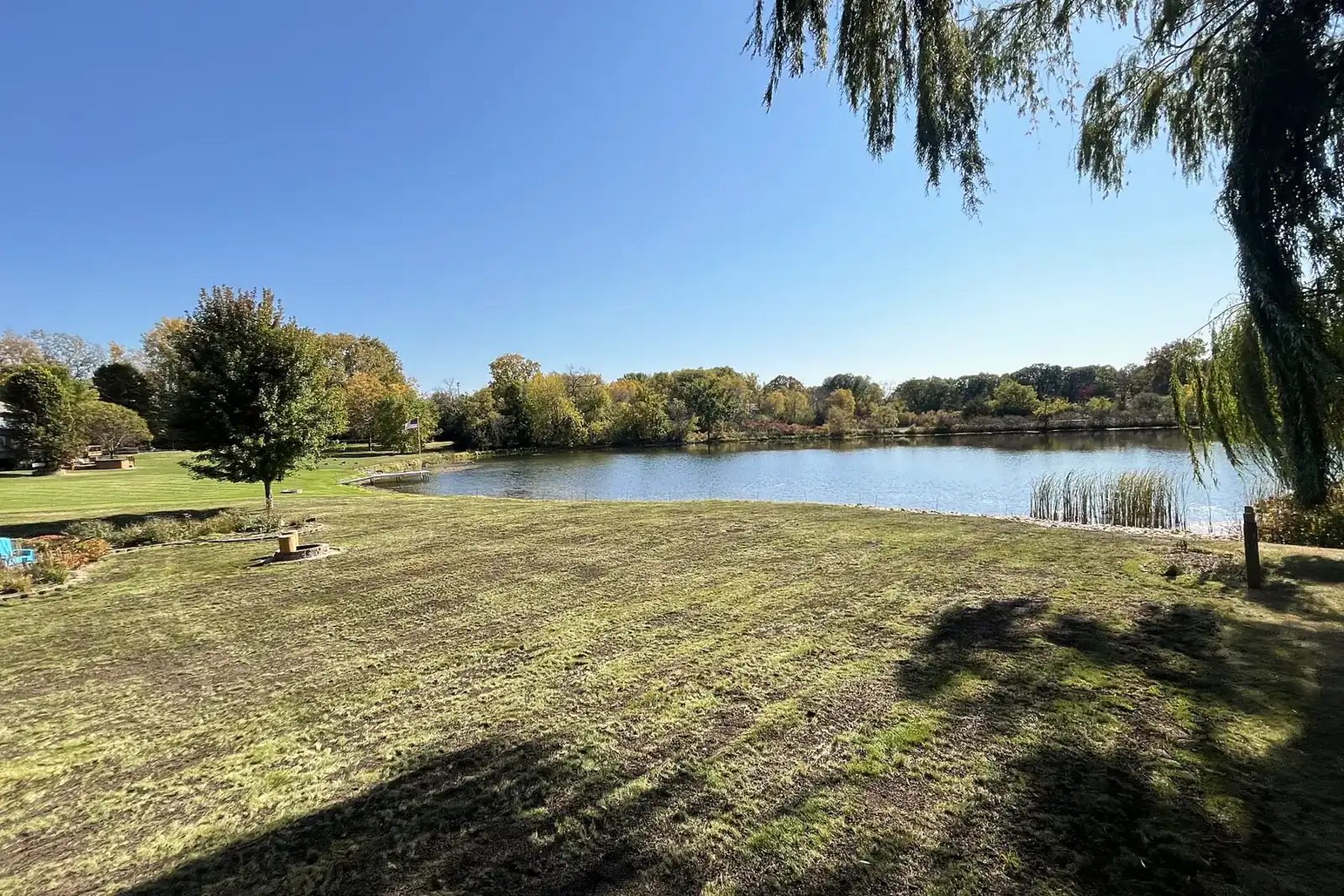
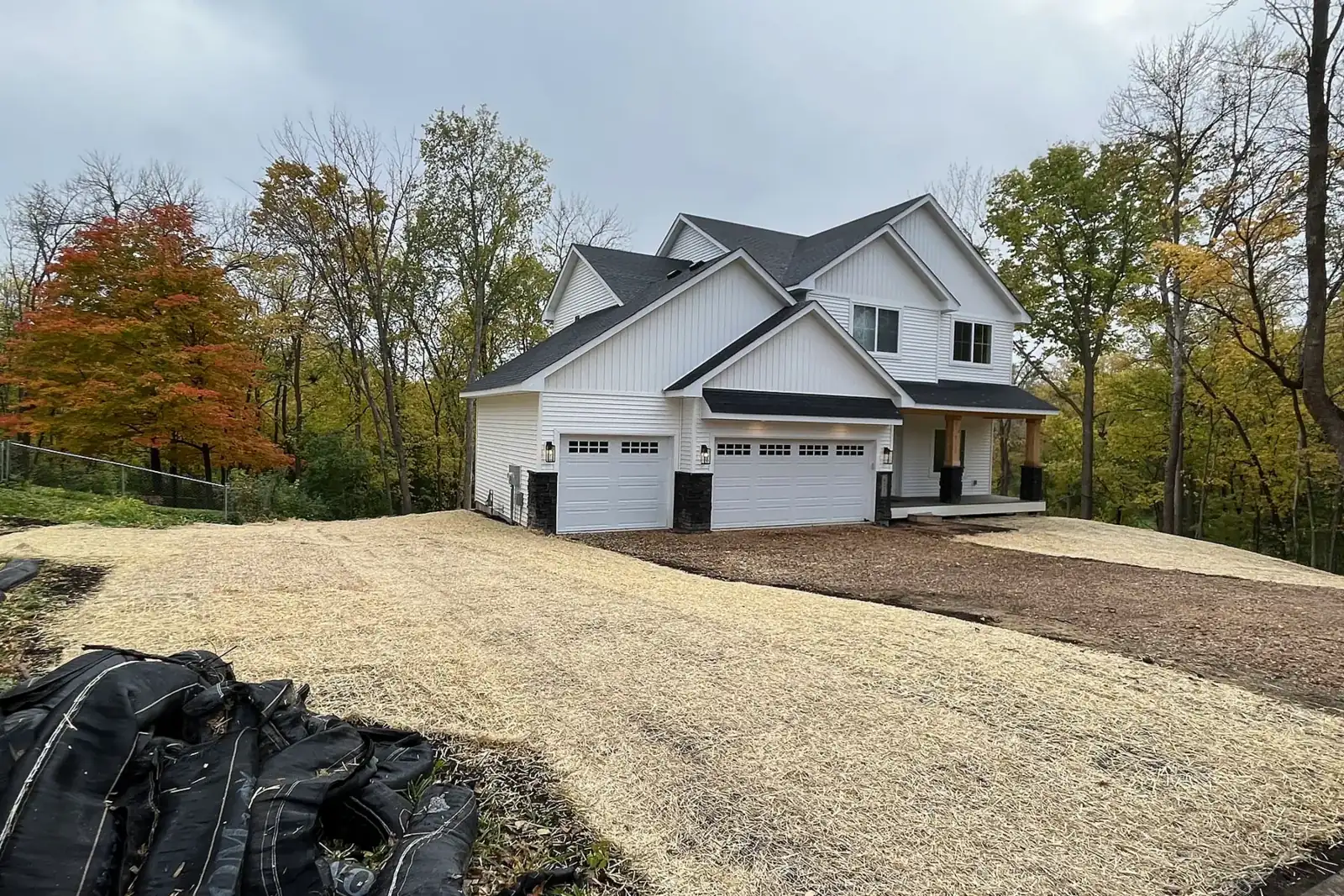
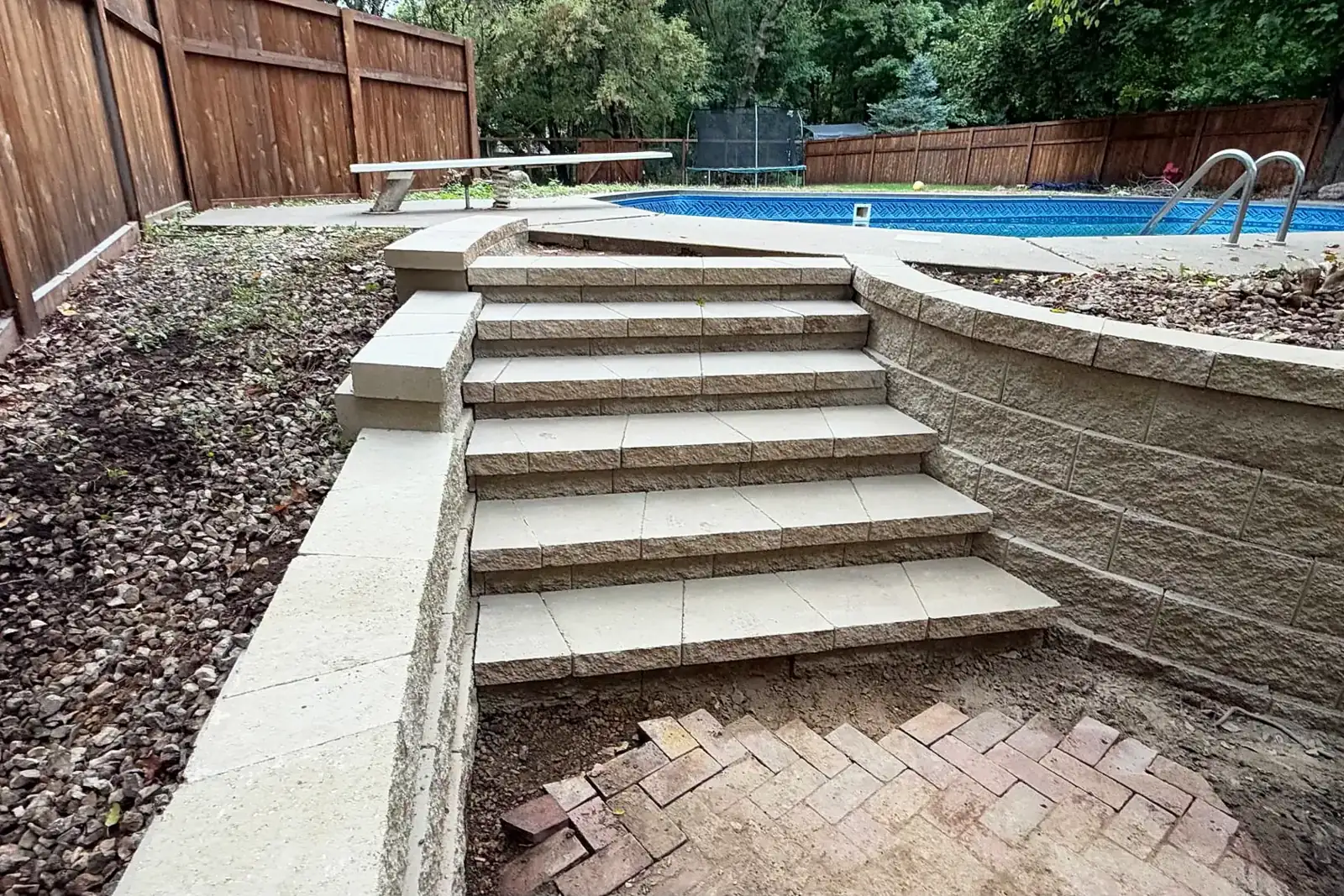
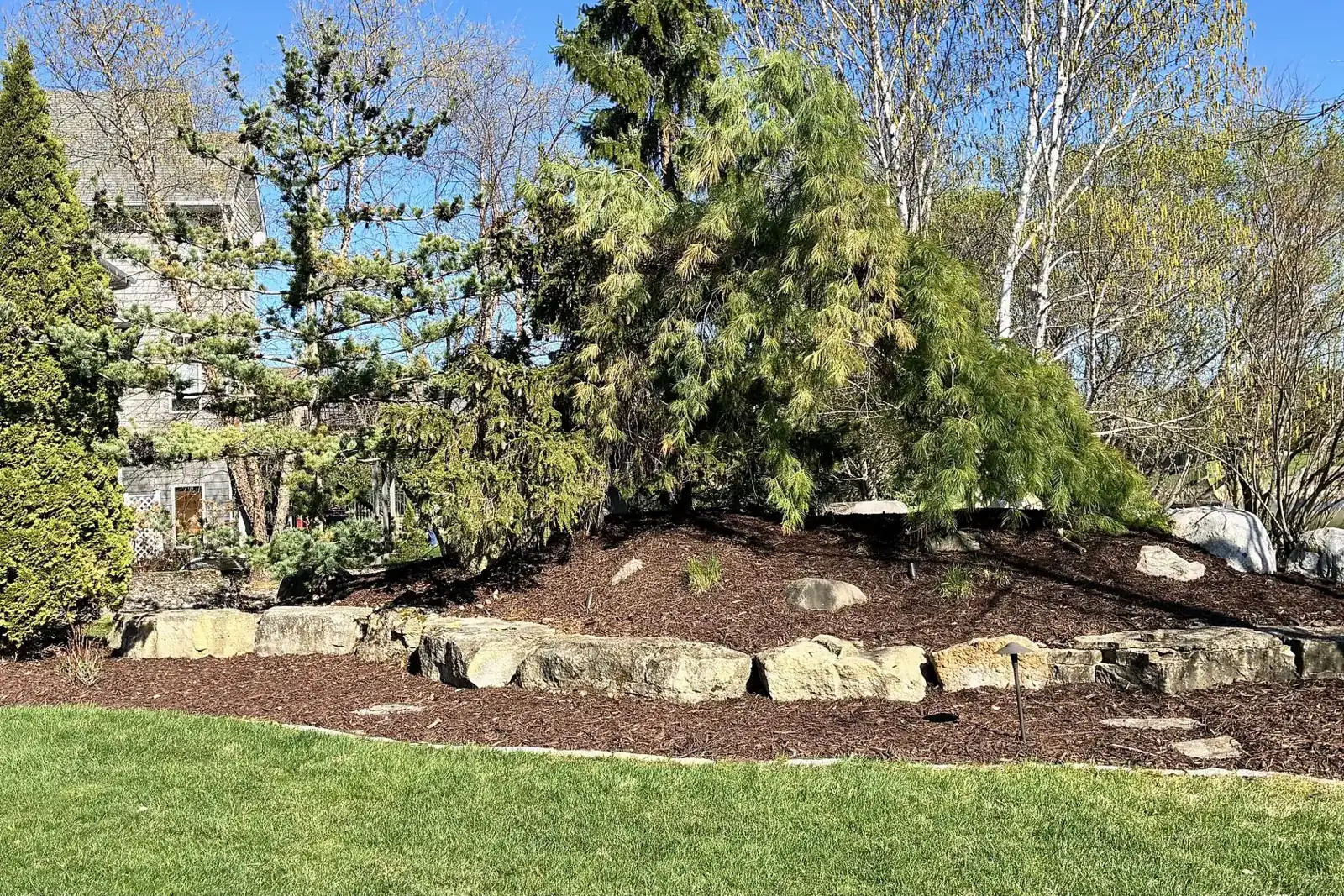
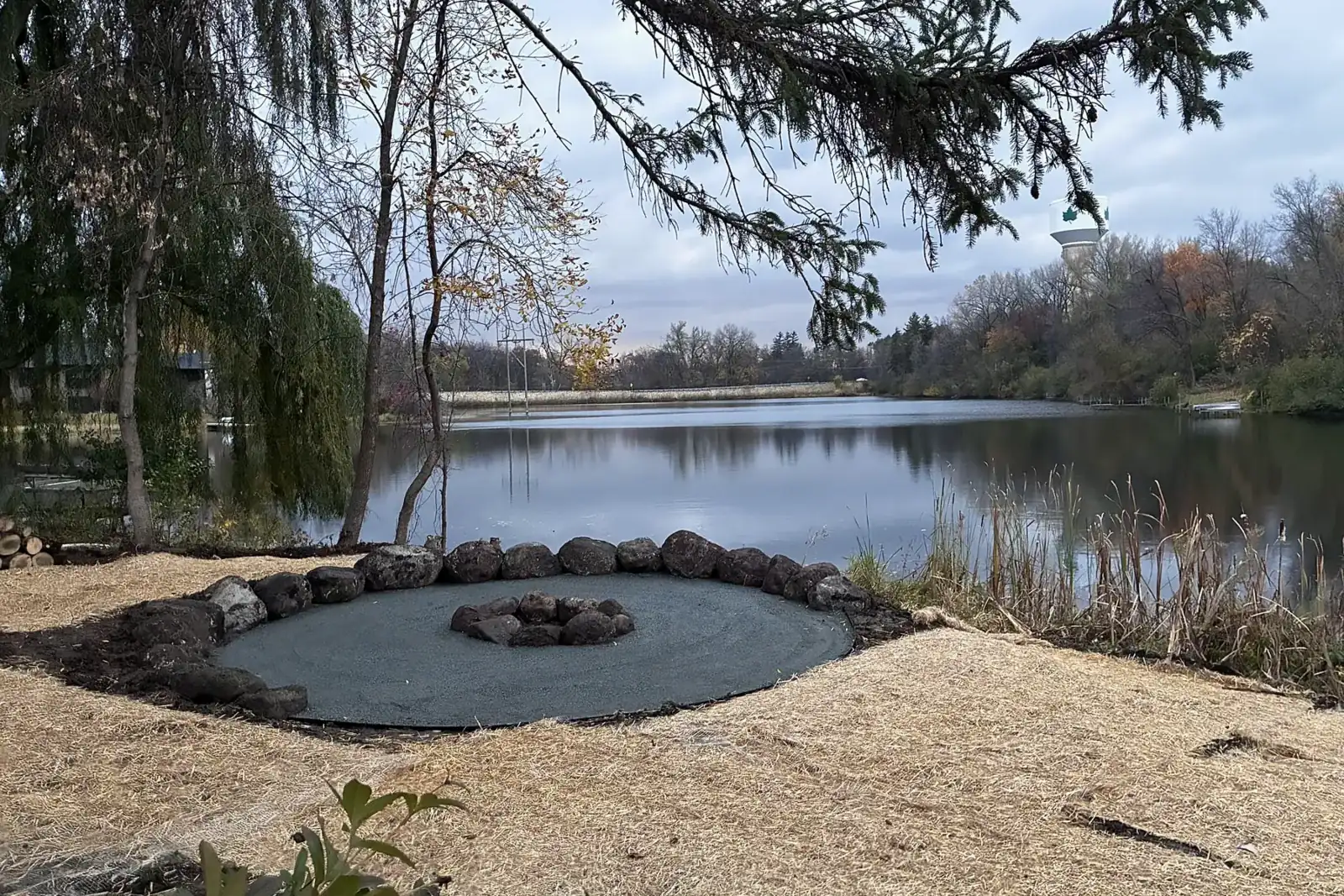
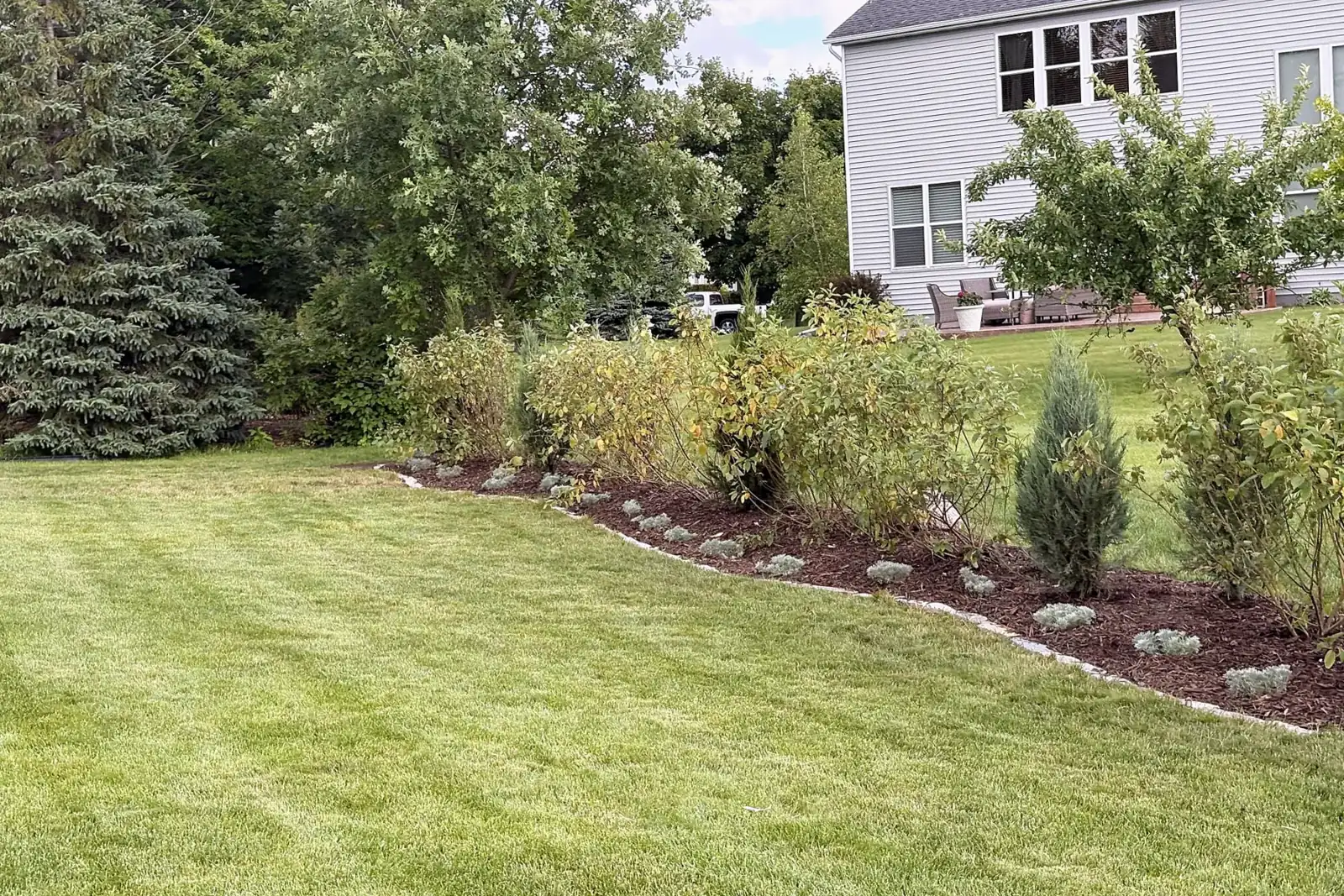
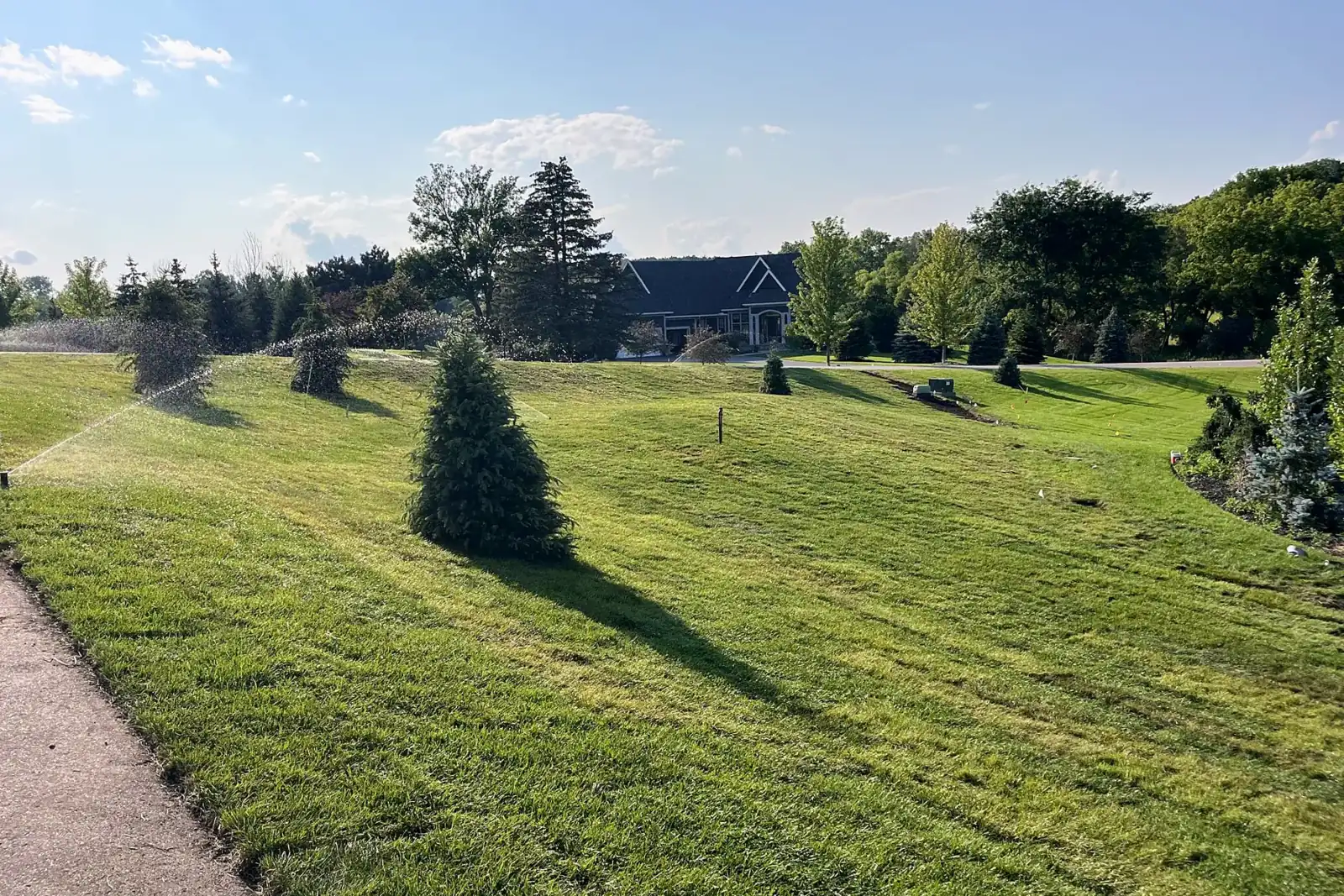
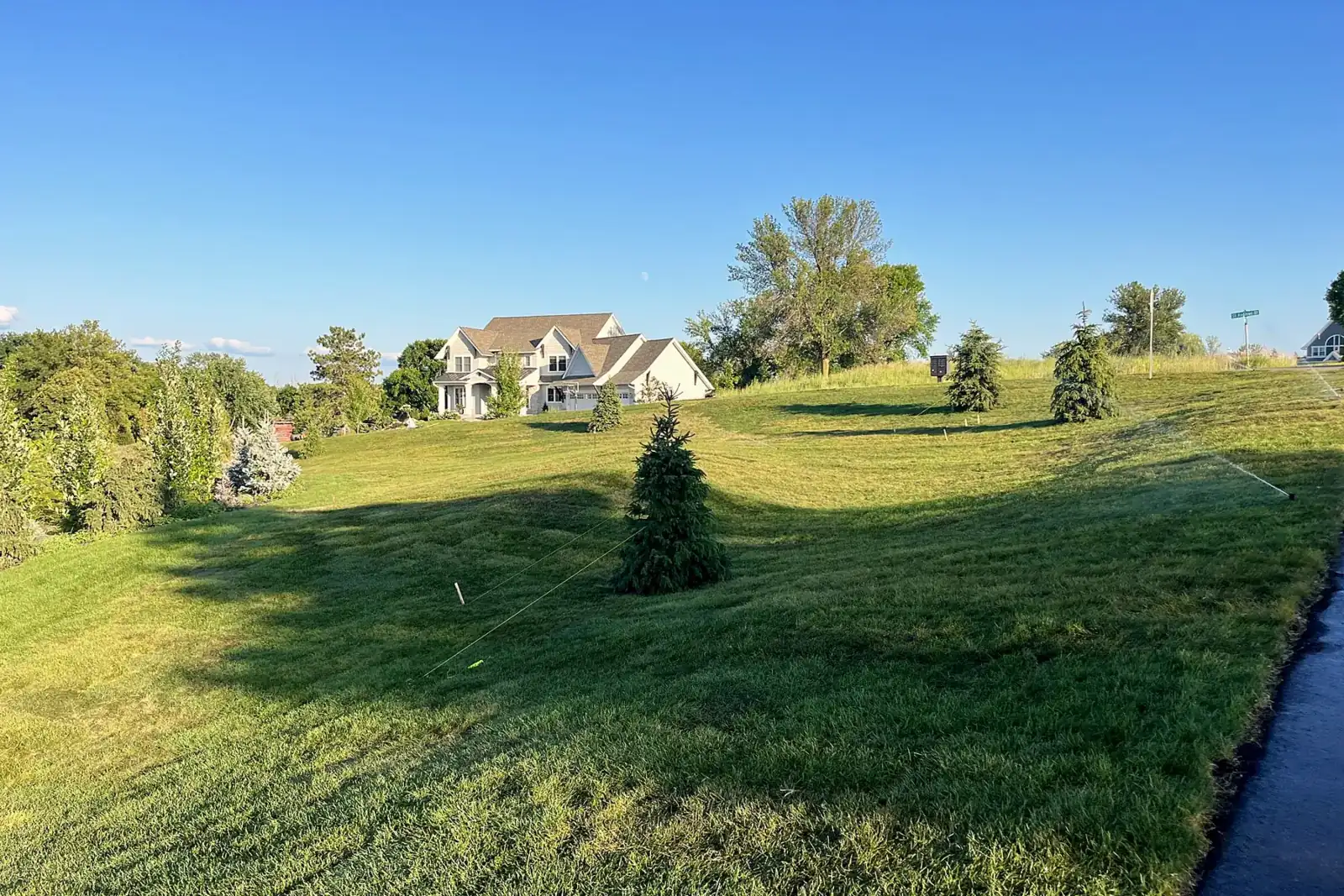
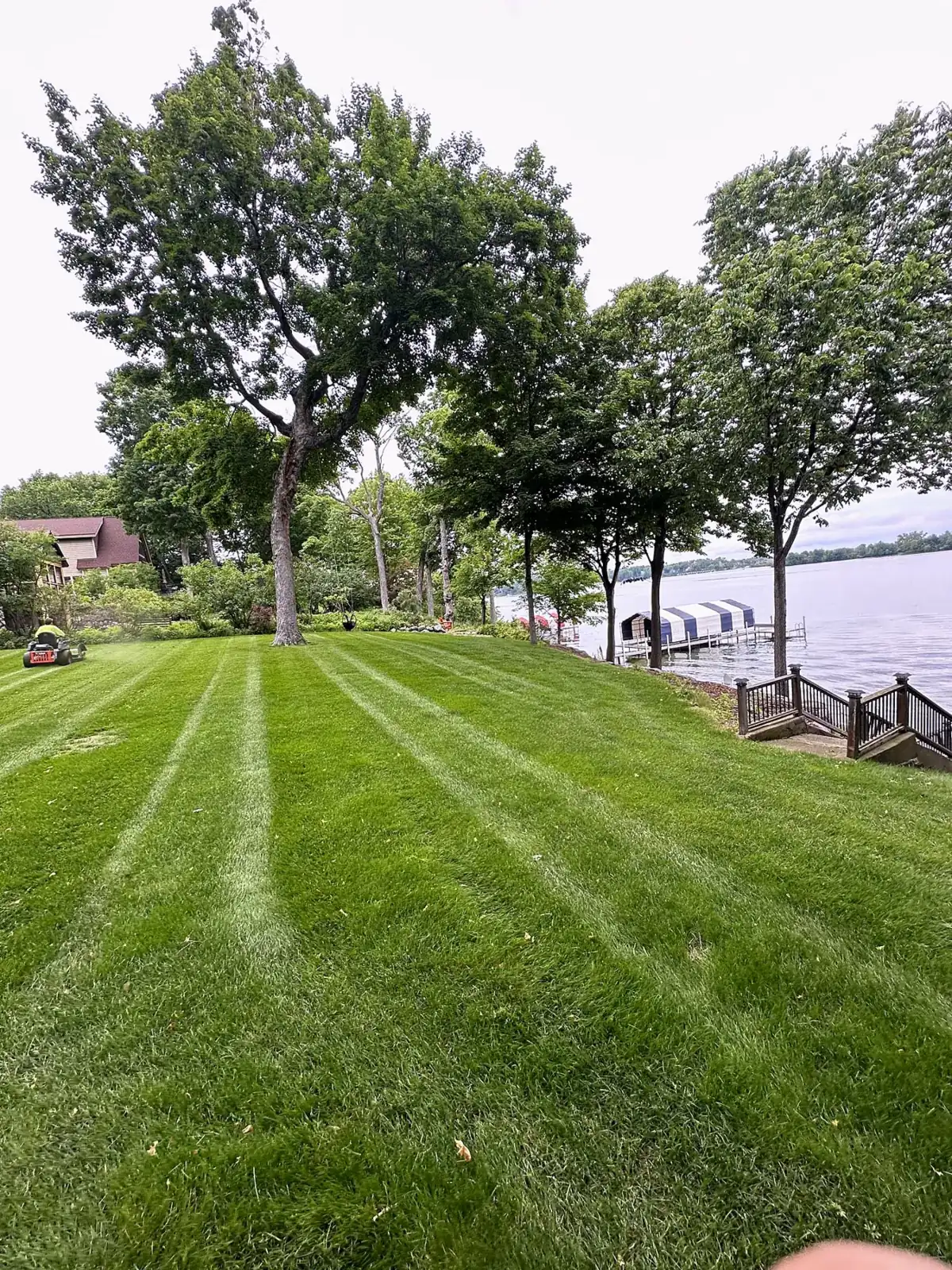
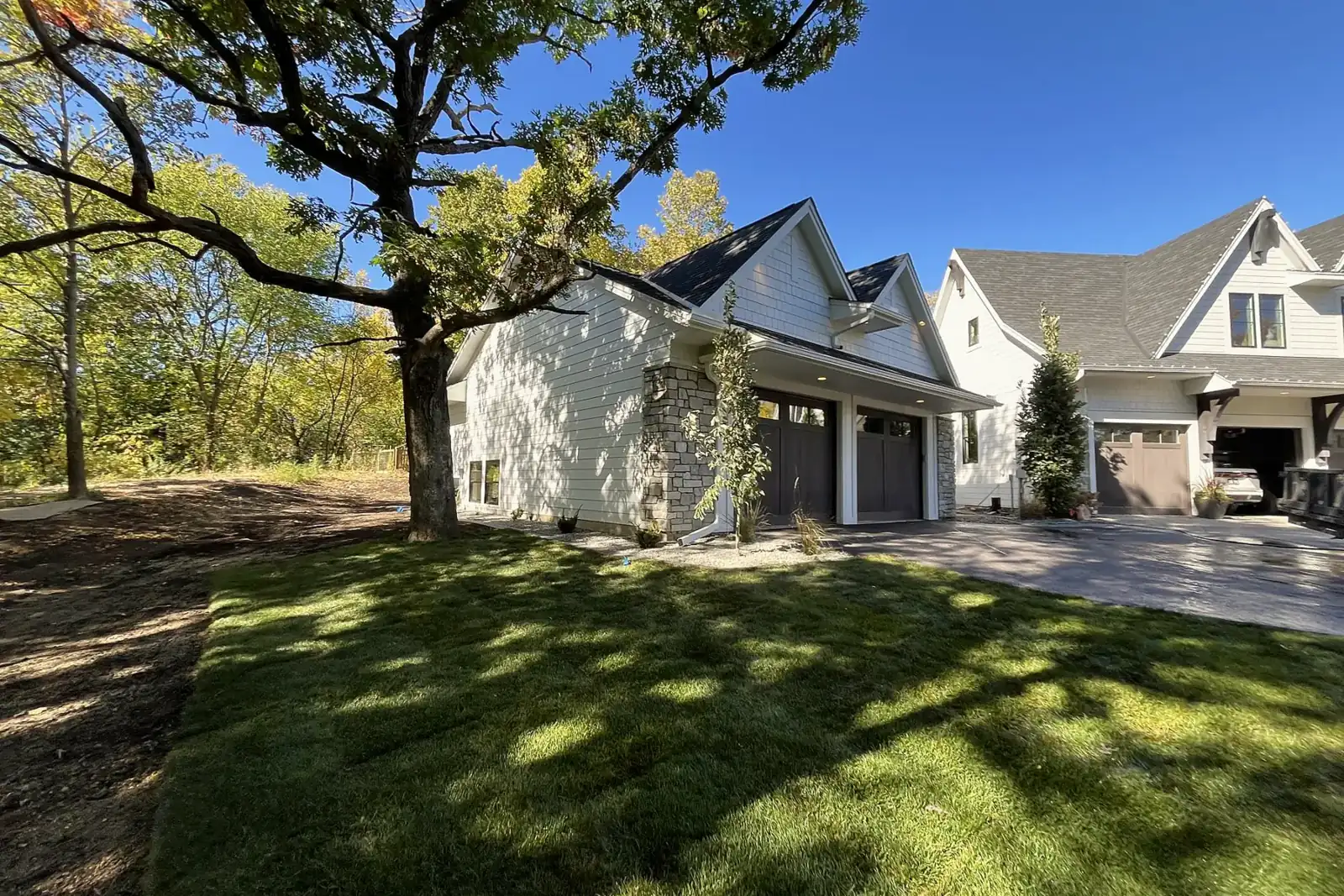
Recent yard drainage from our crews
How we build it