Best Plants Around Pools in Arizona (and What to Avoid)
A well-planted pool area is one of the best parts of living in the Phoenix Valley. Greenery softens hot decking, adds privacy and makes the backyard feel like a getaway. The wrong plants, though, can turn into a daily chore: leaves and flowers in the water, clogged skimmers, thorns along bare-foot paths and roots that crowd decking and equipment. This guide covers what makes a plant pool friendly in the desert, a list of reliable choices, and the plants that are better kept at a distance.
What Makes a Plant Pool Friendly in the Desert
Pool areas are a tough environment. Decking and water reflect heat and light, splash brings chlorinated or salt water, and people walk by barefoot. The best pool plants share a few traits:
- Low litter. Plants that hold their leaves and do not shed lots of flowers, pods or fruit.
- Heat tolerance. Able to handle reflected heat from decking, walls and water.
- Soft or well-placed edges. No sharp spines where people walk, sit or swim.
- Well-behaved roots. Root systems that will not push against decking, pool shells or plumbing.
- Manageable size. A mature size that fits the space without constant pruning.
It also helps to leave a few feet between plants and the pool edge. That buffer keeps splash and litter down, gives you room to clean, and keeps roots away from the pool structure.
Low-Litter Plants That Work Well Near Pools
Totem Pole Cactus
This sculptural columnar cactus is nearly spineless, which makes it one of the few cactus that feels safe near a pool. It adds height and a strong architectural look with almost no litter. It is somewhat frost sensitive, so a warm spot near the house or pool works well.
Mexican Fence Post Cactus
Tall, upright and tidy, this cactus has short spines along its ribs and very little litter. It works well as a vertical accent behind a planting bed, set back from walkways.
Red Yucca (Hesperaloe)
Red yucca is not a true yucca and has no sharp tips. Its grassy clumps handle full sun and reflected heat, and its tall flower stalks attract hummingbirds. The flowers are held high on stalks, so litter is light and easy to manage.
Foxtail Agave
A soft, spineless agave with a smooth, sculptural rosette. It brings a tropical feel and is safe along paths. It is frost tender, so it does best in protected spots and appreciates some afternoon shade in the hottest exposures.
Aloes
Many aloes have soft or only lightly toothed leaves, bloom in the cooler months and hold their foliage well. They are good for low borders and pots around the pool. Some appreciate filtered afternoon shade in summer.
Ponytail Palm
Not a true palm, the ponytail palm has a swollen trunk and a fountain of thin leaves. It grows slowly, drops very little and stays tidy for years. It can be damaged by hard frost, so place it in a warm spot.
Mediterranean Fan Palm
This clumping palm stays fairly compact and gives a resort look without the height of tall palms. Its leaf stems have teeth, so place it back from walkways and seating. Old fronds can be trimmed once or twice a year.
Groundcovers and Low Shrubs
Low, tidy groundcovers can soften rock and edges without dropping a lot of debris. Choose evergreen types and keep them a little away from the pool edge. Browse groundcovers and sprawling plants for options, and check each plant’s bloom habits before placing it right at the water.
Many of these plants are found in our cacti, agaves, aloes and succulents and desert hardy palms collections.
Plants to Avoid Near Pools
None of these are bad plants. Many are excellent in the right spot. They just are not ideal right next to the water.
Heavy Leaf, Flower or Pod Drop
- Palo verde: Beautiful in spring, but sheds a heavy carpet of yellow flowers and small leaves.
- Mesquite: Drops leaves, flowers and seed pods, and has wide-spreading roots.
- Jacaranda: Its purple flowers are stunning, and they end up everywhere, including your pool.
- Bougainvillea: Its papery bracts blow into the water constantly, and its stems carry thorns.
- Fruiting olive trees: Fruit stains decking and adds to pool cleanup.
- Palms that drop fruit or flower stalks heavily, such as queen palms, which can be messy near water.
Thorns and Spines Near Walkways
- Cholla: Segments detach easily and are painful to step on.
- Prickly pear: Tiny hair-like spines called glochids are hard to remove from skin.
- Sharp-tipped agaves: Many agaves have stiff, sharp terminal spines. Use them farther back in the landscape.
- Bougainvillea and other thorny shrubs along paths where people walk barefoot.
Aggressive Roots
- Indian laurel ficus: An excellent privacy screen in the right spot, but its roots are vigorous and can lift paving and crowd structures. Keep it well away from the pool shell and decking.
- Mesquite and eucalyptus: Large, spreading root systems and lots of litter.
Toxic or Irritating Plants
Some plants have sap or parts that are toxic or irritating, such as oleander and certain euphorbias like firestick. If kids and pets spend a lot of time around the pool, choose these carefully or place them where they will not be handled.
Design Tips for Pool Plantings
- Use containers for frost-tender or slightly messy plants so you can control placement.
- Put trees for shade on the downwind side of the pool and far enough back that litter stays on land.
- Keep drip irrigation tidy and avoid spray heads that throw water onto decking. Our drip irrigation guide has more tips.
- Think about bees. Plants that bloom heavily attract bees. Place big bloomers away from the water and seating.
- Plan for mature size so plants do not crowd equipment, gates or walkways later.
For bigger backyard projects, our backyard xeriscape page shows how pool areas can fit into a full low-water design.
Upgrade Your Pool Area
Ready to add greenery around your pool? Shop low-litter plants at threetimbersshop.com and add planting at checkout so our crew can plant them the day after delivery. Delivery is free across the Valley on orders over $150. For a complete backyard redesign, xeriscape design and installation are back on the schedule now, so ask about a xeriscape quote.
More from the Arizona blog
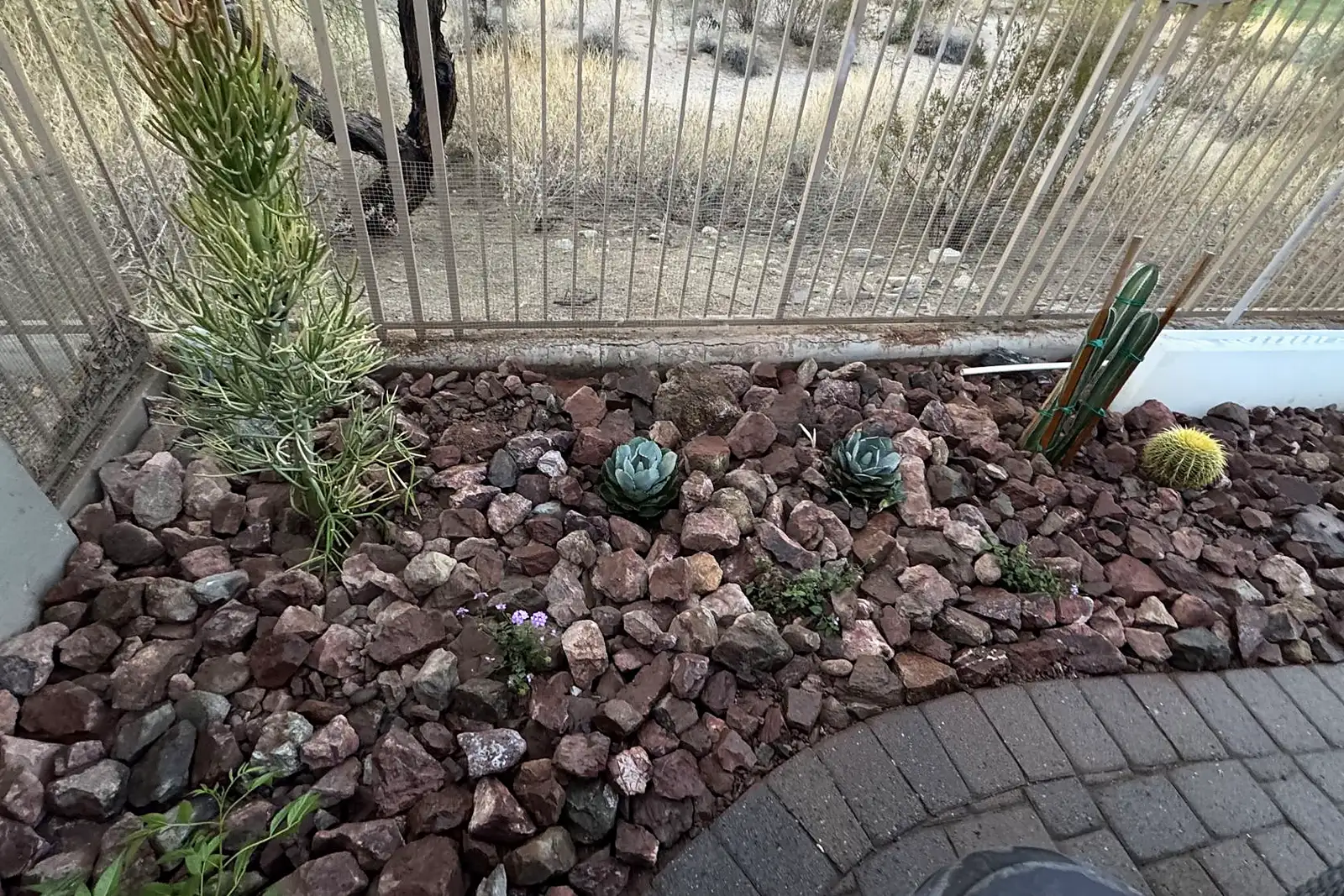
Xeriscape Mistakes to Avoid in the Phoenix Valley
A good xeriscape saves water and looks great for years. These common Phoenix Valley mistakes can undo both, and most are easy to avoid…
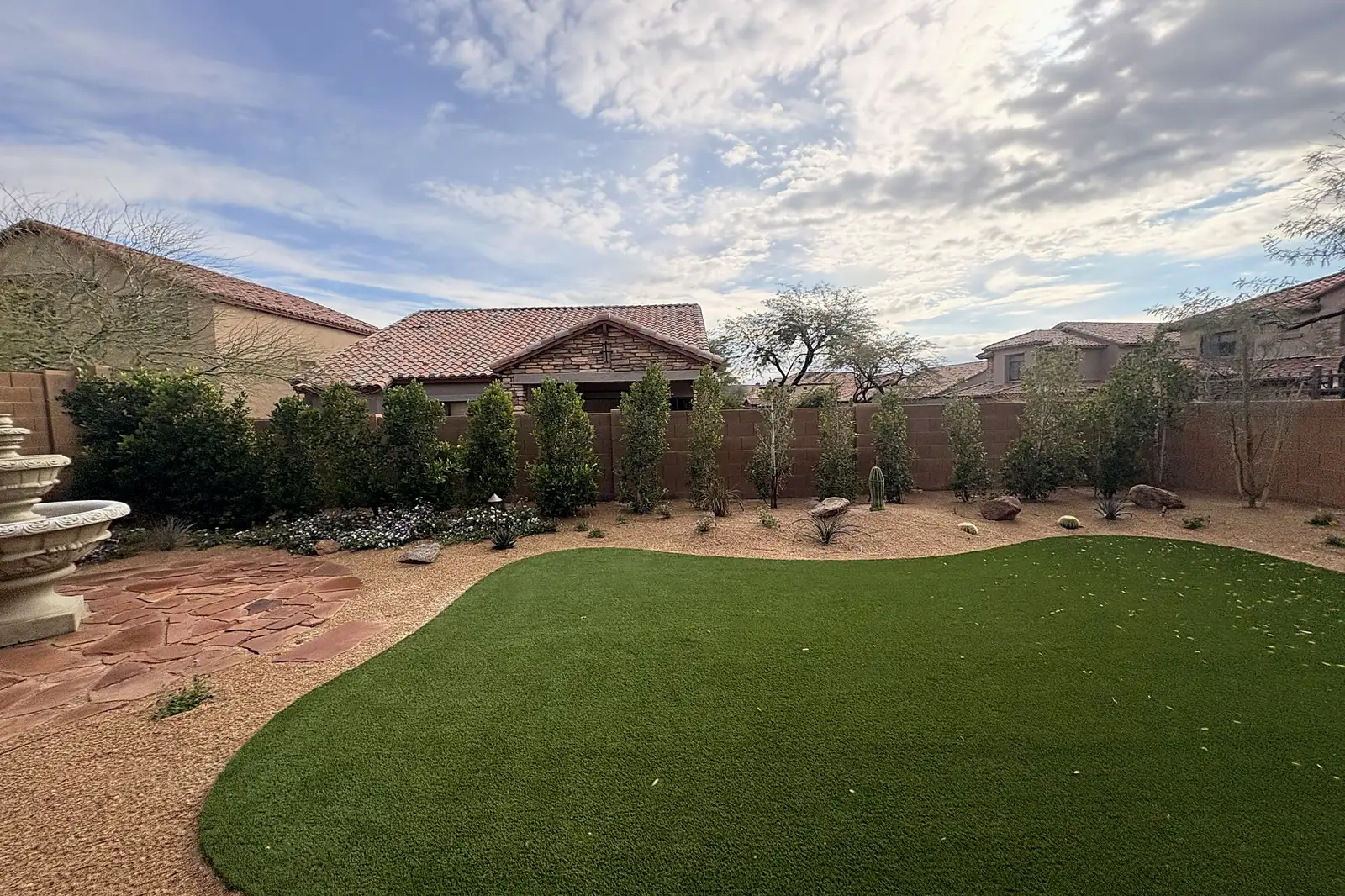
Privacy Hedges for Arizona Yards: Comparing the Top Choices
Want more privacy without a taller wall? Compare the most popular privacy screen plants for the Phoenix Valley, including growth rate, spacing, sun and…
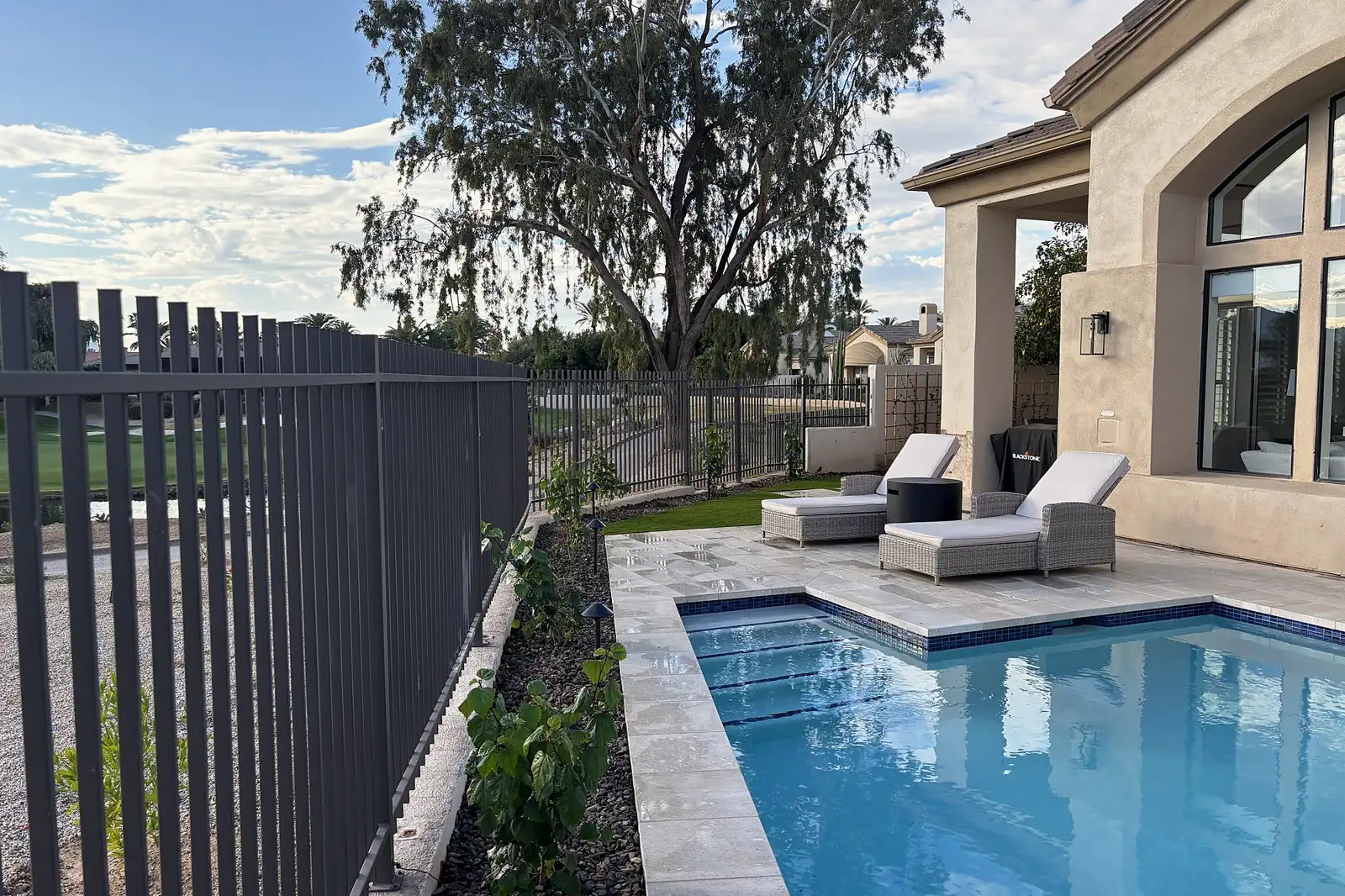
Grass Removal Rebates in the Phoenix Valley: A City Guide
Several Valley cities help homeowners pay to replace grass with low-water landscaping. Here is an overview of the programs and what to check before…