
When to Plant in Phoenix: A Month-by-Month Planting Calendar
In the Phoenix Valley, timing matters as much as plant choice. The right plant set out at the wrong time of year can struggle for months, while the same plant planted in the right season settles in with little fuss. This guide walks through the year month by month so you can plan around the seasons instead of fighting them.
The Big Picture: Two Planting Seasons, One Rest Period
The low desert has two good planting windows and one season to avoid if you can.
- Fall (October and November) is the prime season for most trees, shrubs, groundcovers and native plants. Soil is still warm, so roots keep growing, while air temperatures are mild, so leaves are under far less stress.
- Spring (late February through April) is the second good window, and it is the best time for frost-tender plants that could be damaged by a winter cold snap.
- Summer (June through September) is the toughest time to plant. It can be done for certain plants with extra care, but most new plantings are better off waiting.
Winter falls in between. Hardy desert plants can go in during December and January, but growth slows and frost-sensitive plants should wait.
Month-by-Month Planting Calendar
January
This is a quiet but useful month. Cold-hardy natives and desert trees such as mesquite and palo verde can still be planted, and roots will grow slowly through the cool weeks. Hold off on frost-tender plants. Use this time to plan beds, check drip lines and decide what you want to add in spring.
February
Days warm up quickly in the second half of the month. Hardy shrubs, trees and groundcovers do well. In the warmer central parts of the Valley, you can start thinking about frost-tender plants late in the month, but outlying areas can still see frost, so many homeowners wait until March to be safe.
March
March is one of the best months of the year for planting. Once the danger of frost has passed in your part of the Valley, this is the time for frost-tender favorites like bougainvillea, lantana, yellow bells, orange jubilee and other tropical-looking color plants. Trees and shrubs planted now have a few months to root in before summer.
April
Still a good month for almost everything, but the clock is ticking. Plants set out in April have less time to establish before the heat arrives, so be ready to water consistently. Cactus, agaves and other succulents do well now because they like warm soil for rooting.
May
Temperatures climb fast. Heat-loving plants like cactus, agaves and palms can still go in, but most trees and shrubs are better planted earlier or later. If you do plant in May, plan for closer watering attention through the first few weeks.
June
June is usually the hottest and driest stretch of the year. This is a month to protect what you already have rather than add a lot of new plants. Palms are the main exception, since they root best in warm soil and are commonly planted in the warmer months.
July and August
Monsoon humidity and storms arrive, but so does intense heat. Palms and many cactus can still be planted with care. For most other plants, these months bring stress from heat and reflected sun, so new plantings need early morning watering, shade where practical and close attention.
September
Heat usually lingers through much of September. Late in the month, as nights start to cool, you can begin preparing beds, adding drip lines and choosing plants for fall. Many homeowners start planting at the very end of the month when the forecast cooperates.
October
Welcome to the best planting month of the year. Warm soil and cooler air give roots a long, comfortable stretch to grow before the next summer. Trees, shrubs, privacy hedges, groundcovers and native perennials all do well. If you have a big project in mind, October and November are the months to aim for.
November
Still excellent for hardy trees, shrubs and desert natives. Toward the end of the month, start being cautious with frost-tender plants, since a cold night can set back a plant that has not had time to root in. Hardy plants, though, will spend the winter quietly building roots.
December
Planting slows, but hardy desert plants can still go in. Keep frost cloth on hand for anything tender that is already in the ground, and avoid adding new frost-sensitive plants until spring.
Why Fall Is Prime Season in the Desert
In colder climates, spring is the main planting season. In the low desert, fall has the edge for a simple reason: a plant set out in October has many months of mild weather to grow roots before it faces its first summer. A plant set out in April has only a few weeks. Stronger roots mean better access to water and better tolerance of heat when June arrives.
Fall planting also tends to use less water during establishment, since cooler days mean less evaporation. That makes it easier to get the deep, infrequent watering pattern desert plants prefer. Our guide to watering rules for trees covers how often to water through the first year.
Summer Planting Cautions
Sometimes summer planting cannot be avoided, whether you are finishing a new build or replacing a plant that died. If you must plant in the heat, these steps help:
- Plant early in the morning so the root ball is not sitting in afternoon sun before it is watered in.
- Water thoroughly at planting and check soil moisture often for the first few weeks. Hot, dry soil can pull water away from a new root ball quickly.
- Provide temporary shade for tender plants, especially on west and south exposures with reflected heat from walls.
- Do not fertilize or prune heavily right after planting. The plant needs to focus on roots.
- Choose heat lovers like palms, cactus and agaves if you have a choice.
Frost-Tender Plants: Plant in Spring
Several Valley favorites can be damaged by frost, especially when they are young and newly planted. These are usually best planted in spring after the last frost so they have a full warm season to establish before their first winter:
- Bougainvillea
- Lantana
- Yellow bells and orange jubilee (Tecoma)
- Indian laurel ficus
- Citrus
- Many tropical-looking shrubs and some succulents like foxtail agave
If a frost-tender plant is already in the ground, cover it with frost cloth on cold nights and remove the cover in the morning. Avoid pruning frost-damaged growth until spring, since the damaged branches help protect what is underneath.
Cactus, Agaves and Palms: The Warm-Season Exceptions
Cactus and succulents root best in warm soil, so spring and early fall are ideal, and many can be planted in early summer with care. Palms are well known for rooting best during the warm months. If you are adding these to your landscape, see our pages on cactus and agave planting and browse desert hardy palms or cacti, agaves and succulents in the shop.
Plan Ahead
Have irrigation ready before plants arrive; our drip irrigation guide explains what to look for. For trees, see desert tree planting and browse classic Arizona shade trees.
Ready to Plant This Season?
Fall is here, and it is the best time of year to get plants in the ground. Shop for trees, shrubs and cactus at threetimbersshop.com, and add planting at checkout so our crew can plant them for you the day after delivery. Delivery is free across the Valley on orders over $150. Planning something bigger? Xeriscape design and installation are back on the schedule now, so ask about a xeriscape quote.
More from the Arizona blog
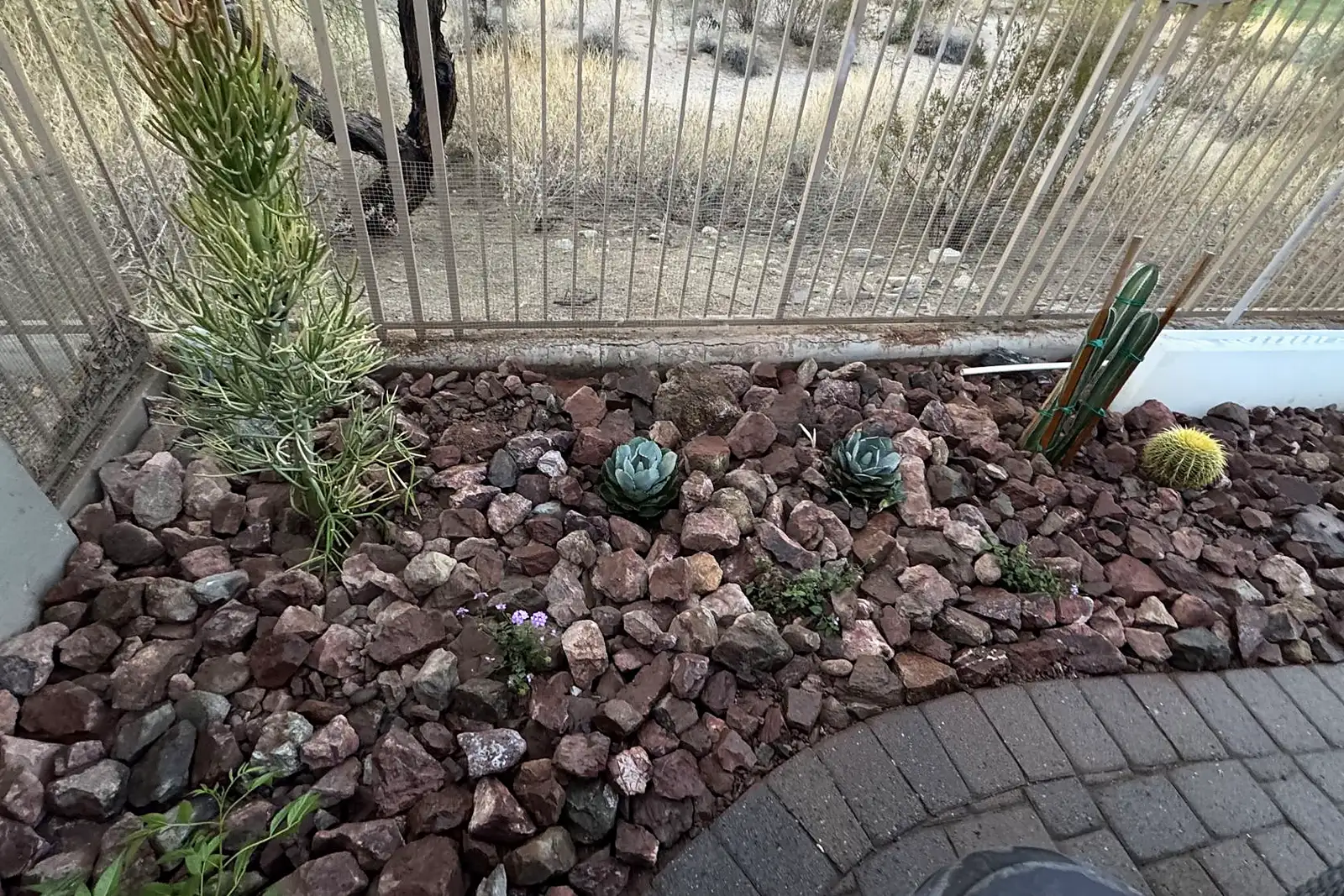
Xeriscape Mistakes to Avoid in the Phoenix Valley
A good xeriscape saves water and looks great for years. These common Phoenix Valley mistakes can undo both, and most are easy to avoid…
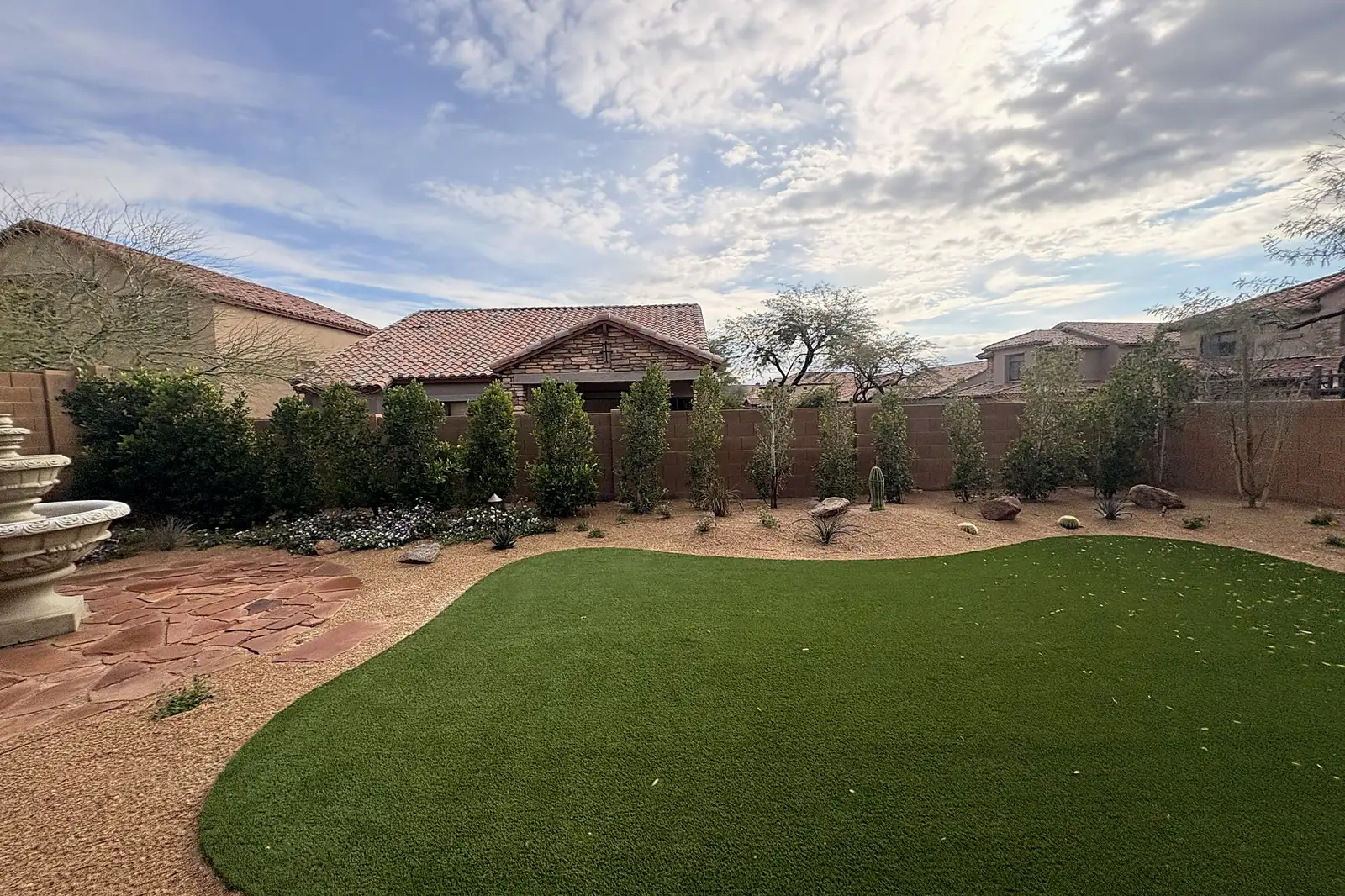
Privacy Hedges for Arizona Yards: Comparing the Top Choices
Want more privacy without a taller wall? Compare the most popular privacy screen plants for the Phoenix Valley, including growth rate, spacing, sun and…
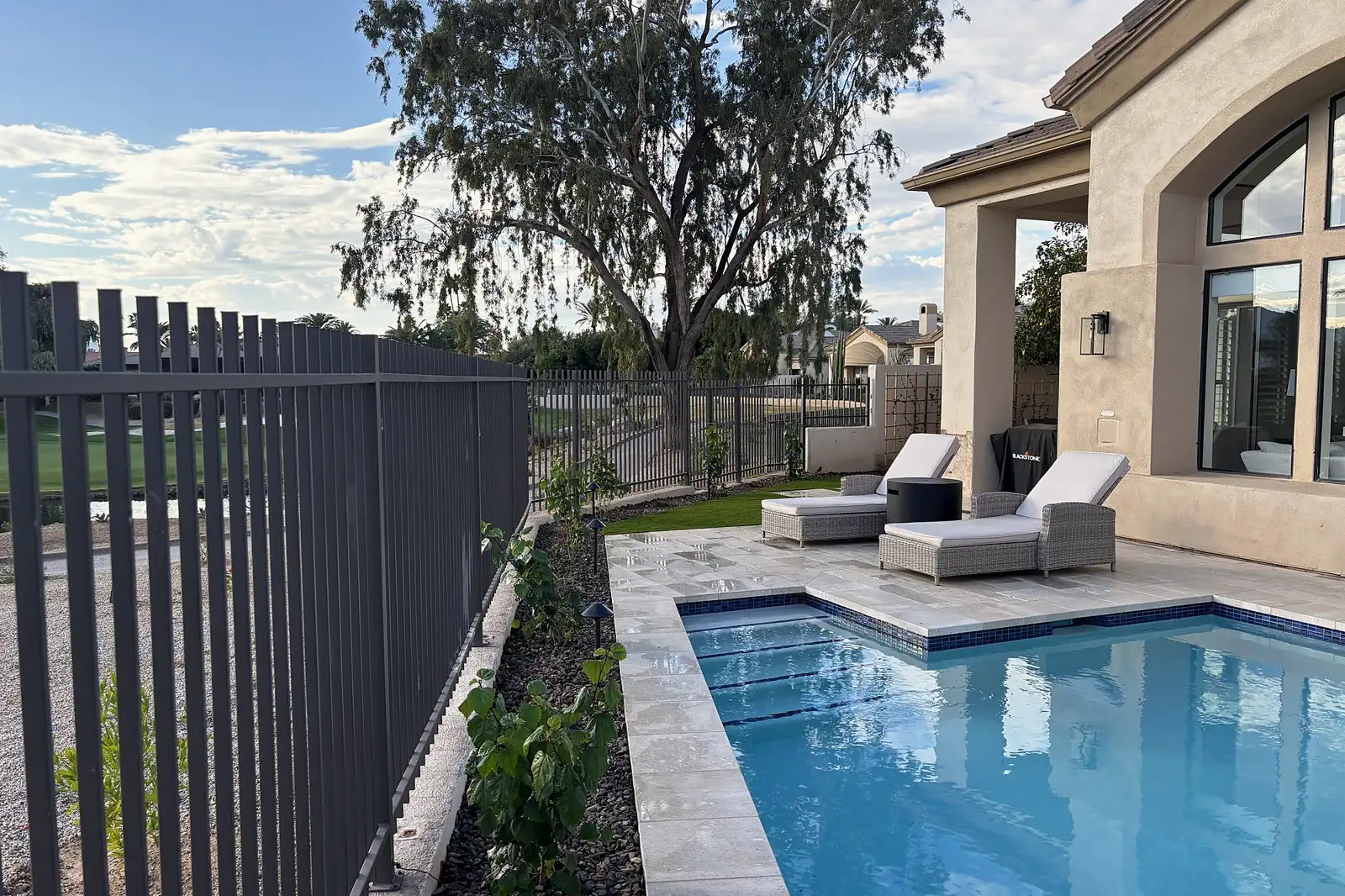
Grass Removal Rebates in the Phoenix Valley: A City Guide
Several Valley cities help homeowners pay to replace grass with low-water landscaping. Here is an overview of the programs and what to check before…