What You Need to Know About Walkways and Steps
Design Planning
Walkway design considers traffic patterns, grade changes, sight lines, and how the path connects to other features on your property. We evaluate where people naturally walk (desire lines), how wide the path needs to be for comfortable use, and whether steps or a ramped grade transition works better for elevation changes. Front entry walks get special attention--they are the first thing visitors see and set the tone for your entire property. We present a design with materials, dimensions, and layout before starting construction.
Material Options
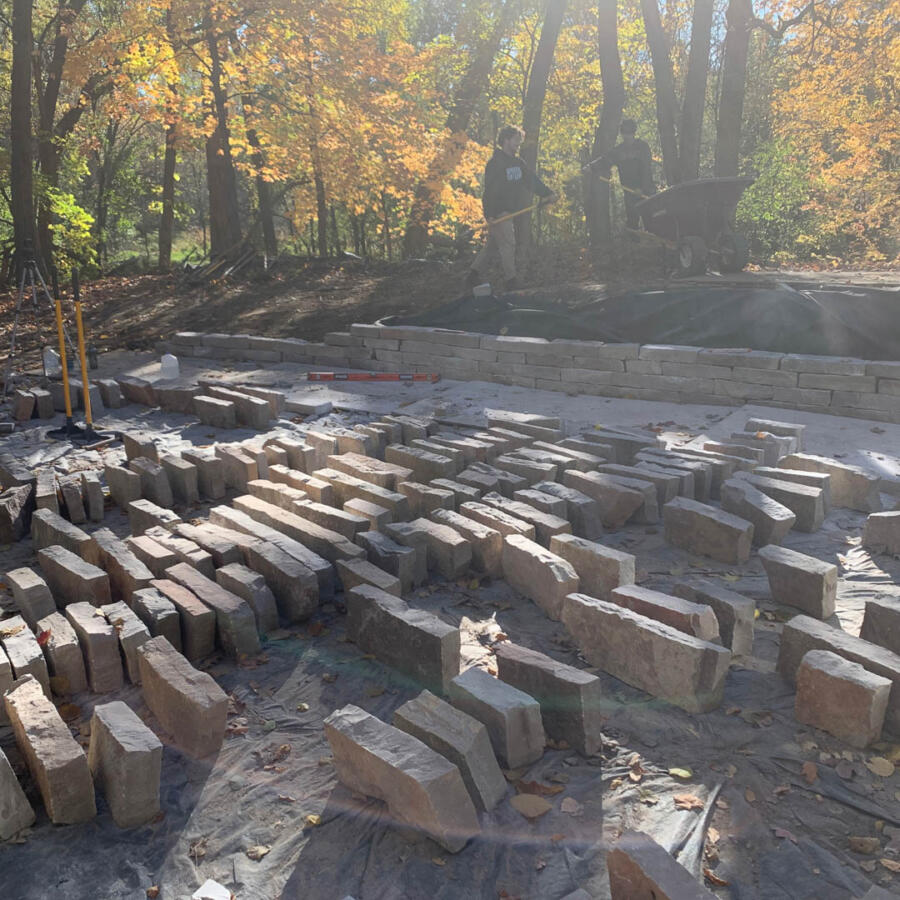
Walkways and steps can be built from interlocking pavers, natural flagstone, dimensional stone slabs, or poured concrete with decorative finishes. Pavers offer the widest range of colors, patterns, and price points. Natural stone delivers a one-of-a-kind look. For steps, we use solid stone treads, paver-faced risers with block cores, or natural boulder steps depending on the style and setting. All materials are selected for slip resistance, durability, and compatibility with Minnesota freeze-thaw cycles.
Pricing
Walkway and step pricing depends on length, width, material selection, and the complexity of grade changes. A straight paver walkway on relatively flat ground is the most affordable option. Curved layouts, natural stone materials, multiple step landings, and integrated lighting add to the cost. We provide detailed estimates covering excavation, base preparation, materials, edge restraint, and labor so you can plan your investment confidently.
Installation
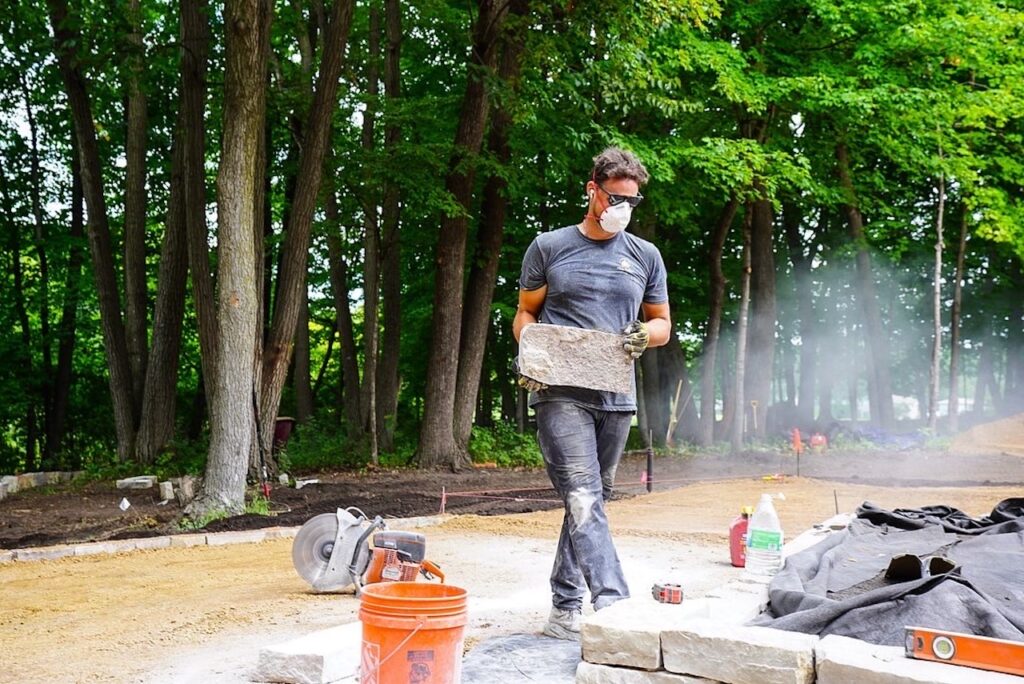
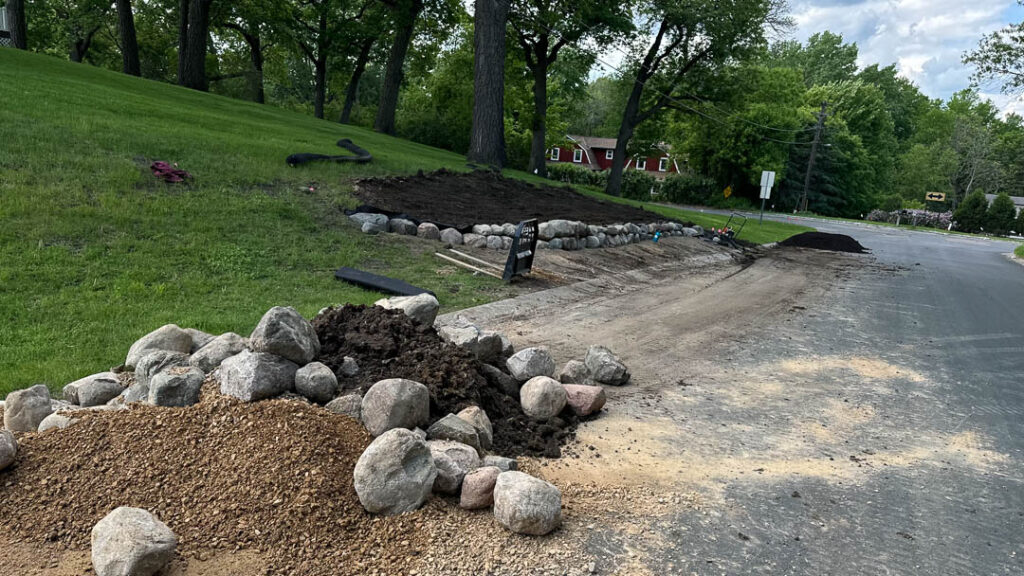
Walkway and step construction follows the same base preparation principles as our patio work--excavation to proper depth, geotextile fabric, compacted gravel base, and a screeded setting bed. For steps, we build reinforced footings below frost depth and set treads with proper rise-to-run ratios for comfortable, code-compliant stair geometry. Landings break up long stair runs and provide resting points. Edge restraint locks everything in place, and polymeric sand prevents weed growth in paver joints. Every surface is checked for proper pitch to shed water and prevent ice buildup in winter.