What You Need to Know About Block Retaining Walls
Site Evaluation
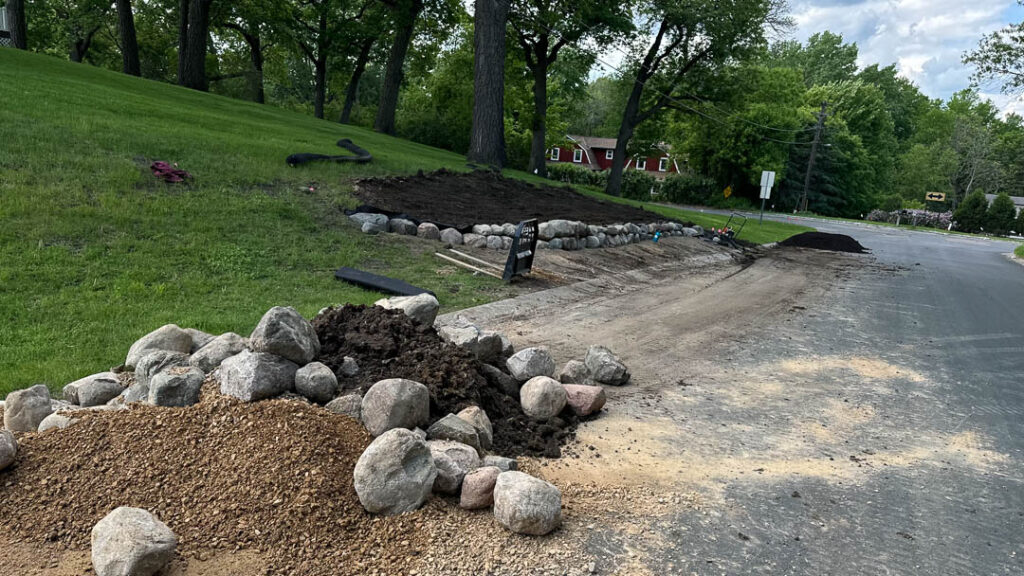
Every block wall project starts with a thorough site evaluation. We assess slope grade, soil composition, drainage patterns, and proximity to structures or property lines. For walls over four feet, we coordinate with a structural engineer to ensure the design meets Minnesota building codes. Our team identifies potential issues--buried utilities, high water tables, clay-heavy soils--before breaking ground so your wall is built on a solid plan from day one.
Block Selection
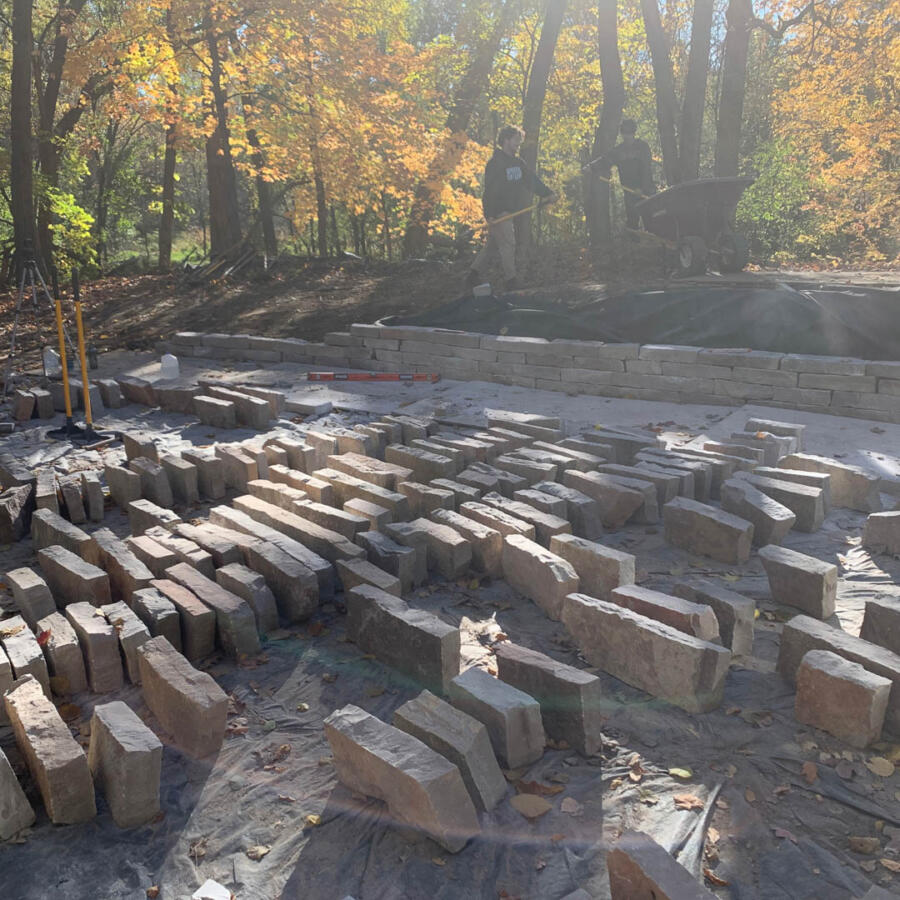
We work with top-tier segmental retaining wall (SRW) systems from manufacturers like Versa-Lok, Anchor Diamond, and Belgard. Each system offers different face textures--from smooth and modern to split-face natural stone looks. Block sizes range from standard 8-inch units for garden walls to massive 18-inch units for structural walls exceeding six feet. Color options span charcoal, tan, grey, and blended earth tones that complement Minnesota landscapes year-round.
Pricing
Block retaining wall costs depend on wall height, total linear footage, site access, and whether geogrid reinforcement is required. Shorter garden walls (under 2 feet) are the most affordable option, while engineered walls over 4 feet involve additional materials and labor. We provide transparent, itemized estimates that include base material, drainage aggregate, block and cap units, geogrid (if needed), and labor--no surprise charges after the project starts.
Installation
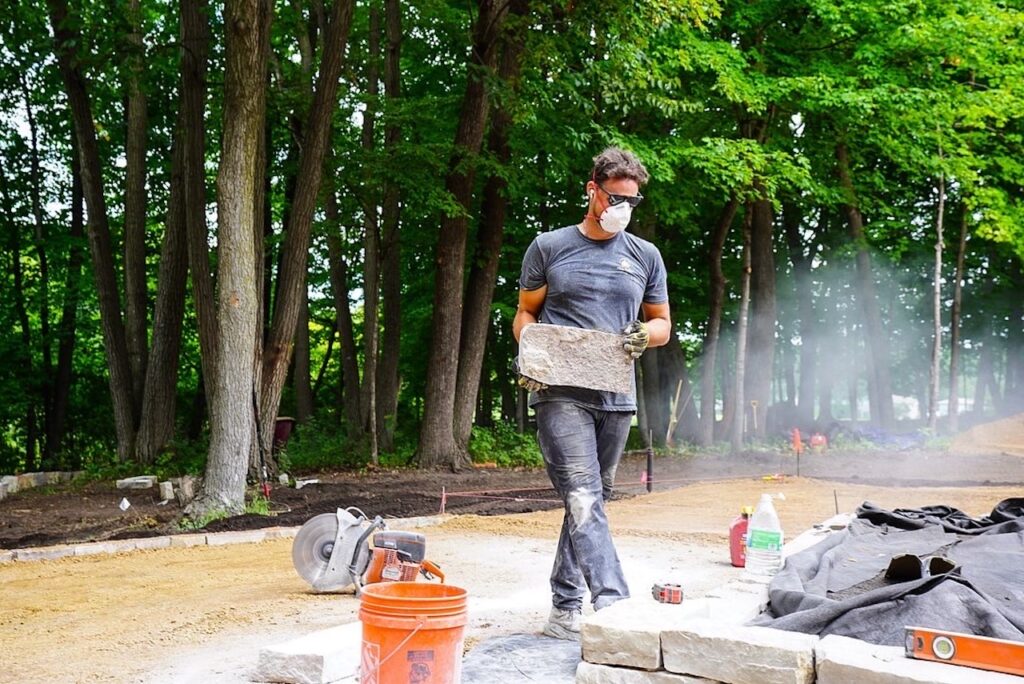
Proper installation is what separates a block wall that lasts 50 years from one that fails in five. We excavate a level trench below the frost line, compact a 6-inch gravel base with a plate compactor, and set the first course with precision--because every row above depends on it. Each course is backfilled with drainage aggregate and compacted. For walls requiring geogrid, we install reinforcement layers at engineered intervals tied back into undisturbed soil. A perforated drain tile runs behind the wall to manage hydrostatic pressure, and landscape fabric prevents soil migration into the drainage stone.