What You Need to Know About Seat Walls
Design Planning
Seat walls are part architecture, part furniture. We start by understanding how you use your outdoor space--where people gather, where the fire pit sits, how traffic flows across the patio. Then we design walls at the right height (typically 18 to 22 inches), depth, and length to create comfortable, natural seating that integrates with your hardscape layout. We consider sightlines, sun exposure, and wind patterns so your seat wall ends up where people actually want to sit.
Materials and Finish
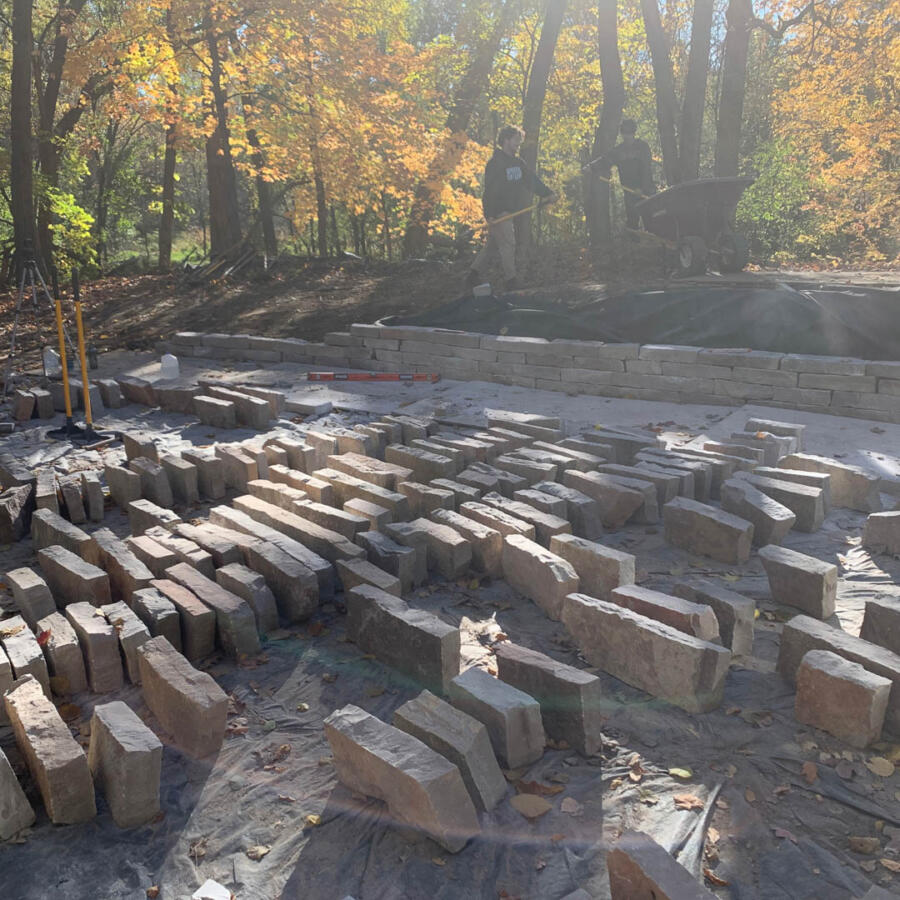
Seat walls can be built from segmental retaining wall block, natural stone, or poured concrete veneered with stone. We match or complement your existing patio pavers for a cohesive look. Cap stones are critical--we use smooth, flat-topped natural stone or bullnose concrete caps that are comfortable to sit on and properly sealed to resist moisture, salt, and freeze-thaw damage. Color and texture options range from modern charcoal block to rustic tumbled stone.
Pricing
Seat wall pricing depends on total linear footage, material choice, cap stone selection, and whether the wall serves double duty as a retaining feature. Freestanding seat walls on flat ground are the most straightforward. Curved or serpentine designs, integrated lighting, and premium natural stone caps add to the investment. We provide detailed estimates so you know exactly what your seat wall project will cost before we start.
Installation
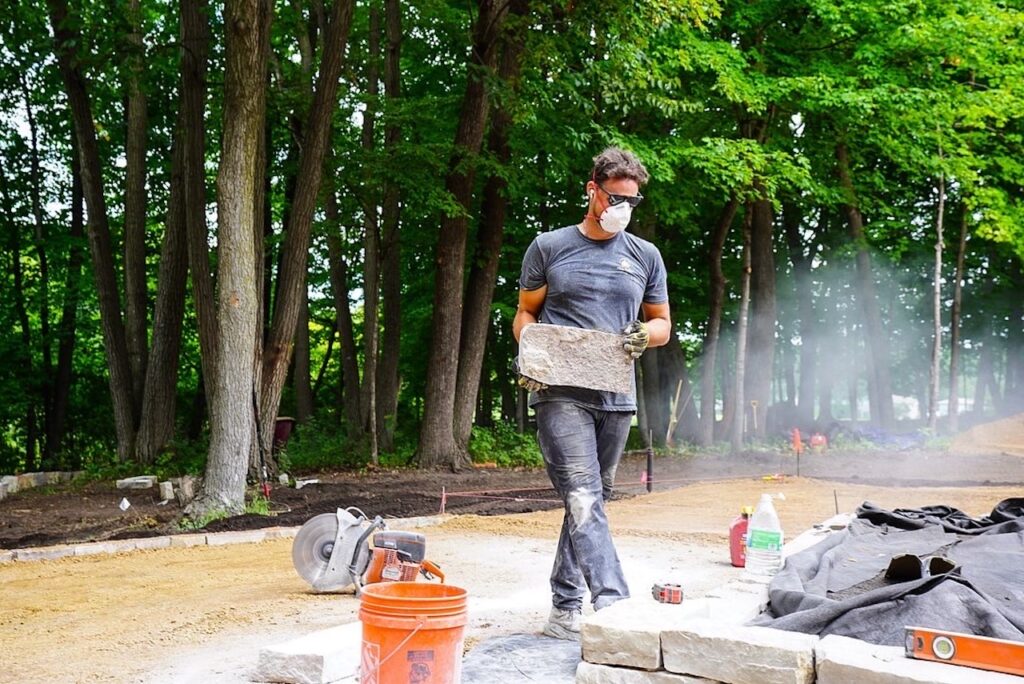
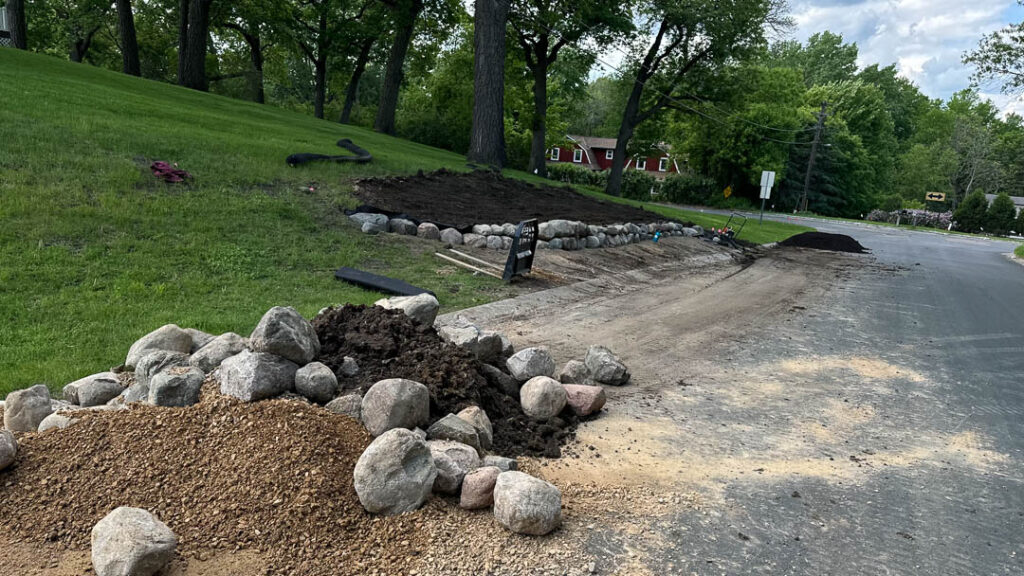
Seat wall construction follows the same proven process as our structural walls--excavated footing, compacted gravel base, level first course, and proper drainage. The difference is in the finish details: we precision-cut cap stones for tight joints, apply adhesive rated for Minnesota temperature swings, and ensure the top surface sheds water so it dries quickly after rain. If your seat wall includes built-in LED lighting, we run low-voltage wiring during construction so there is no retrofit needed later.