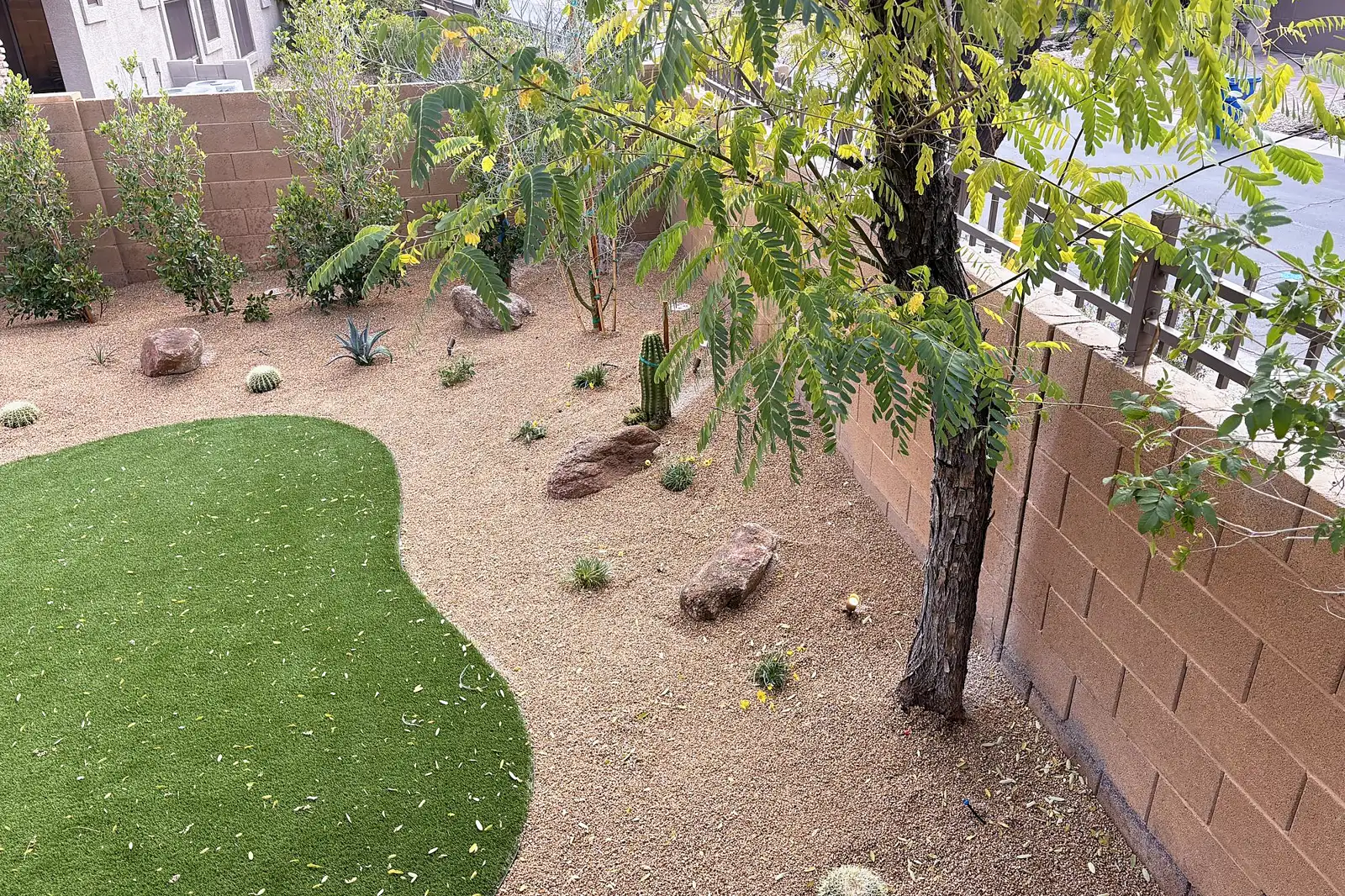
A city that runs from suburb to open desert
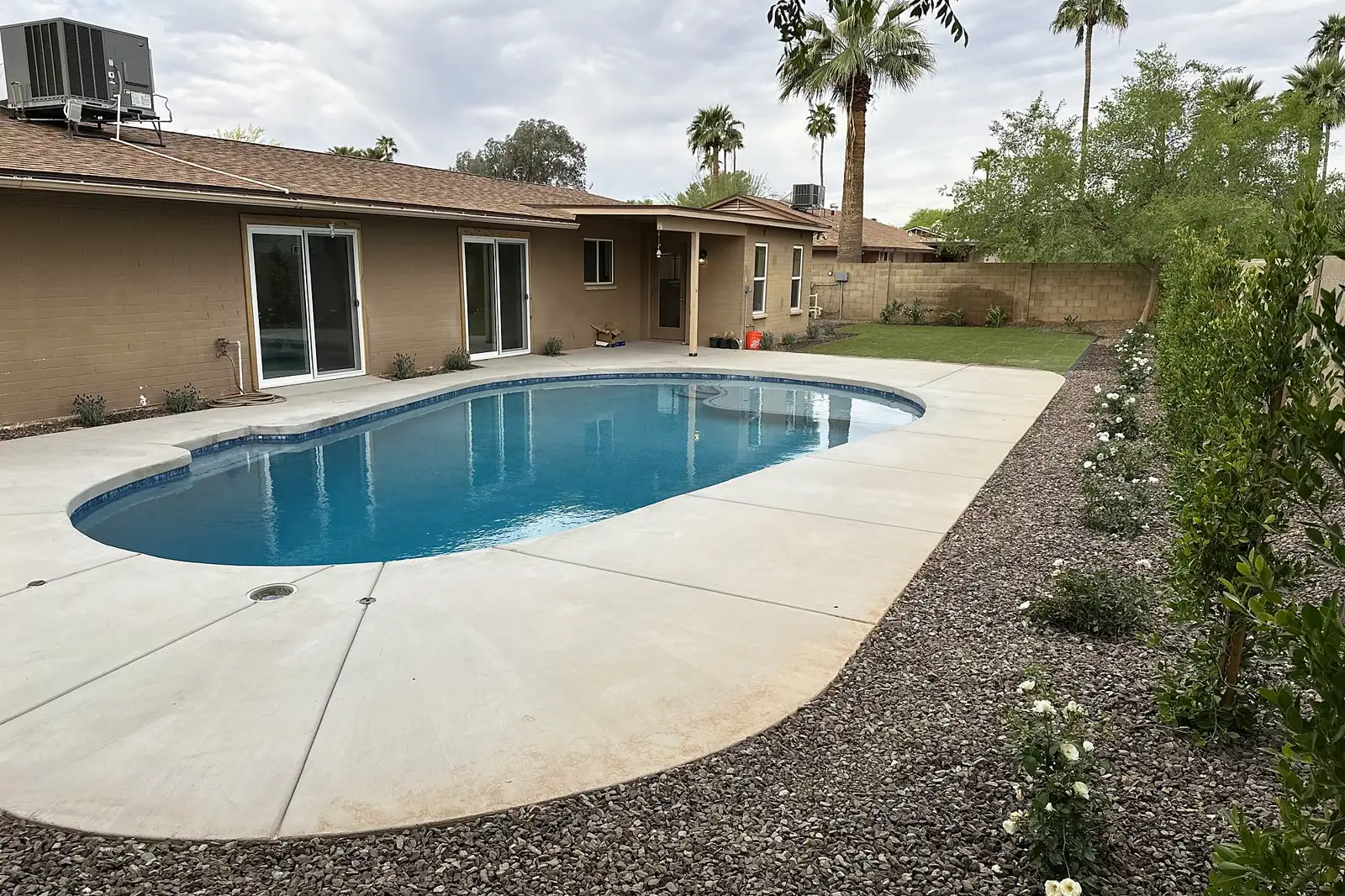
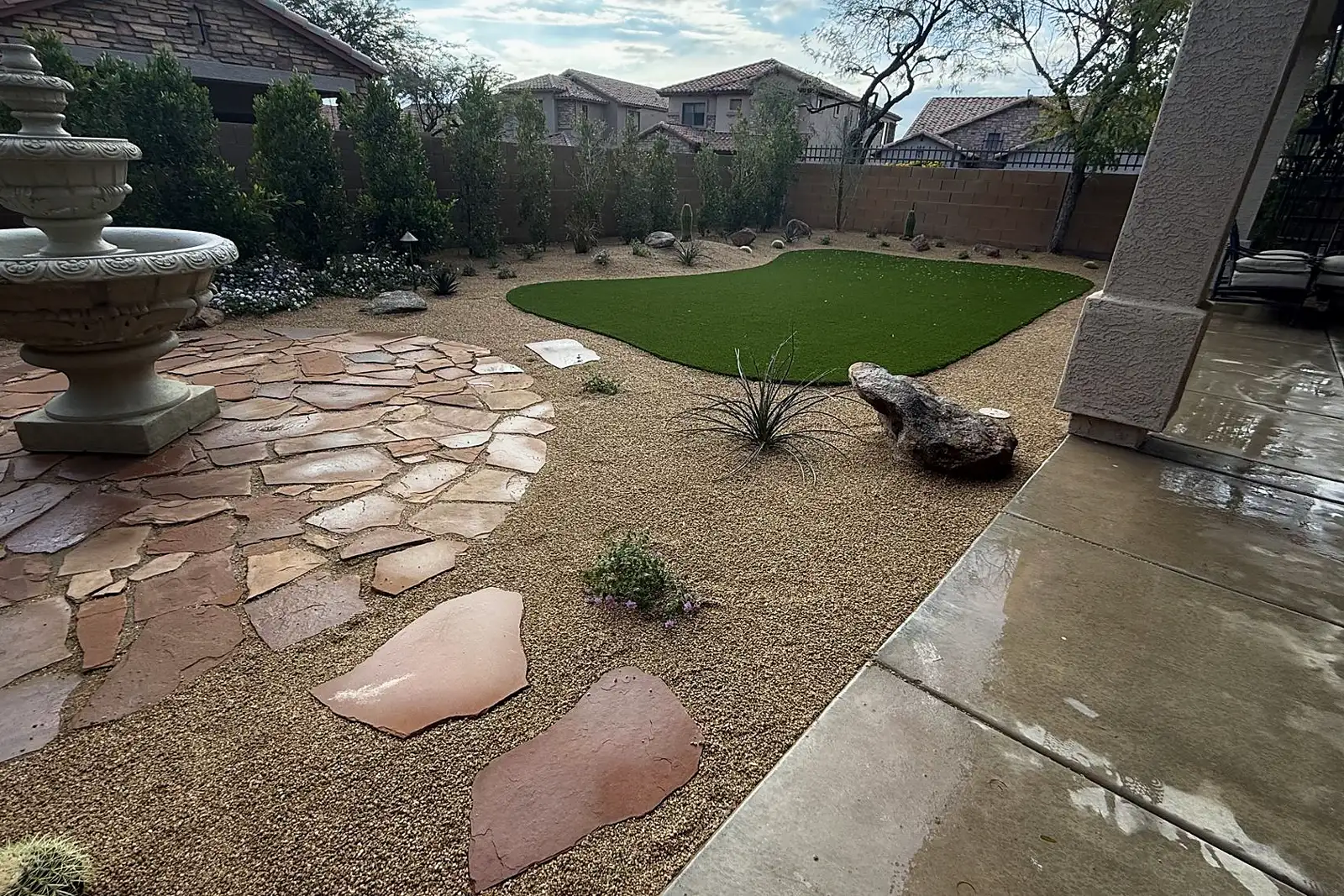
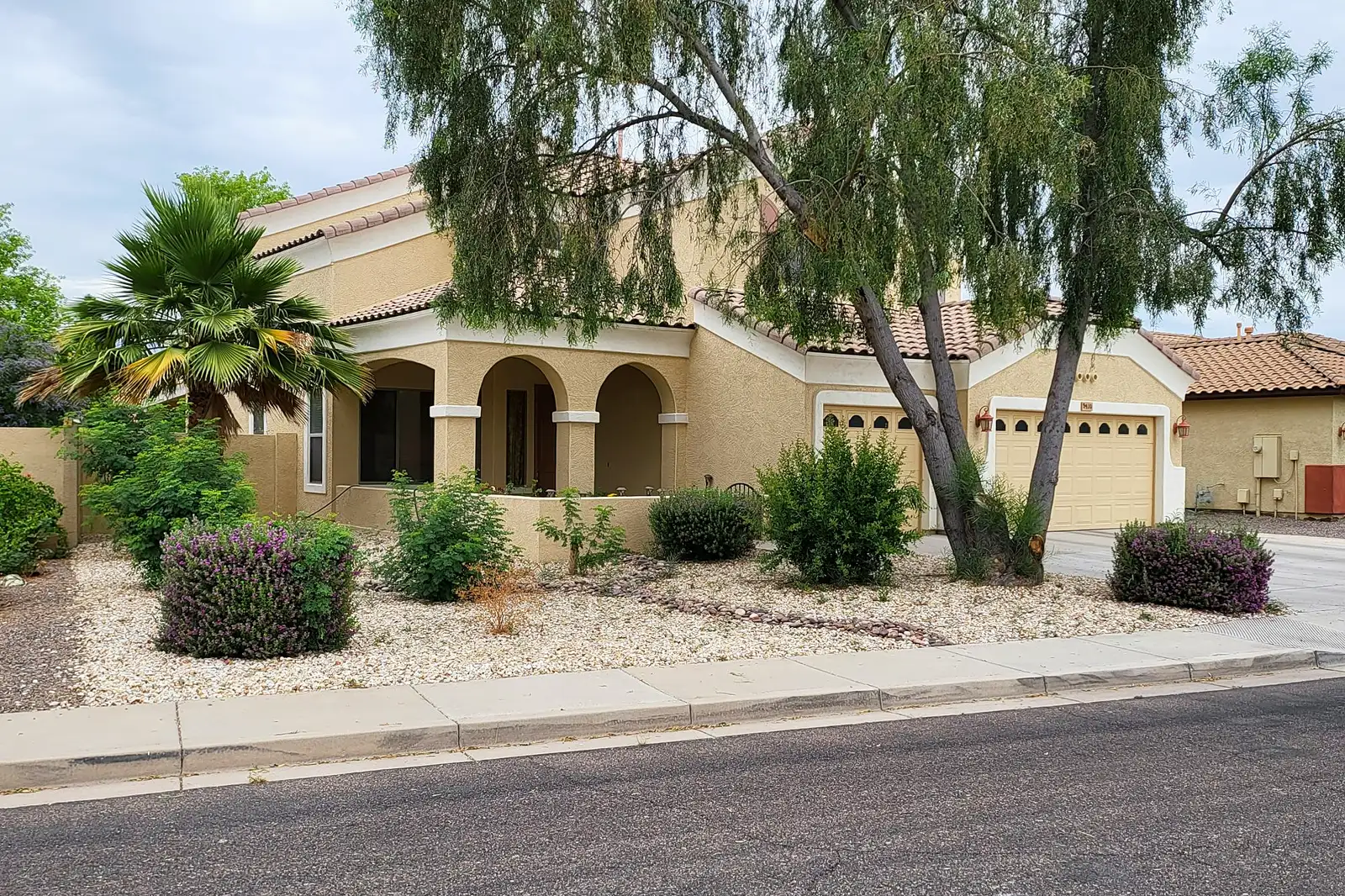
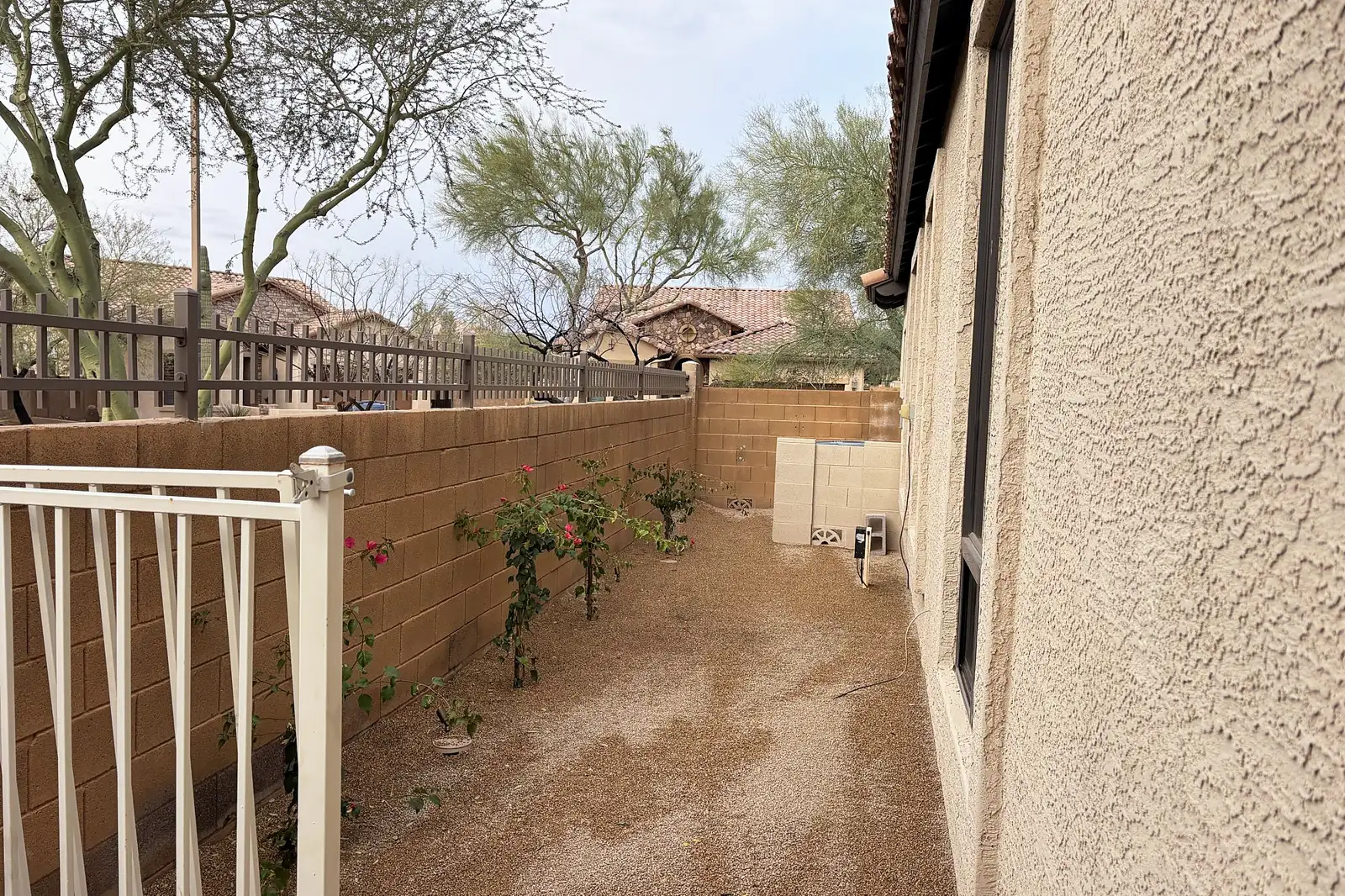
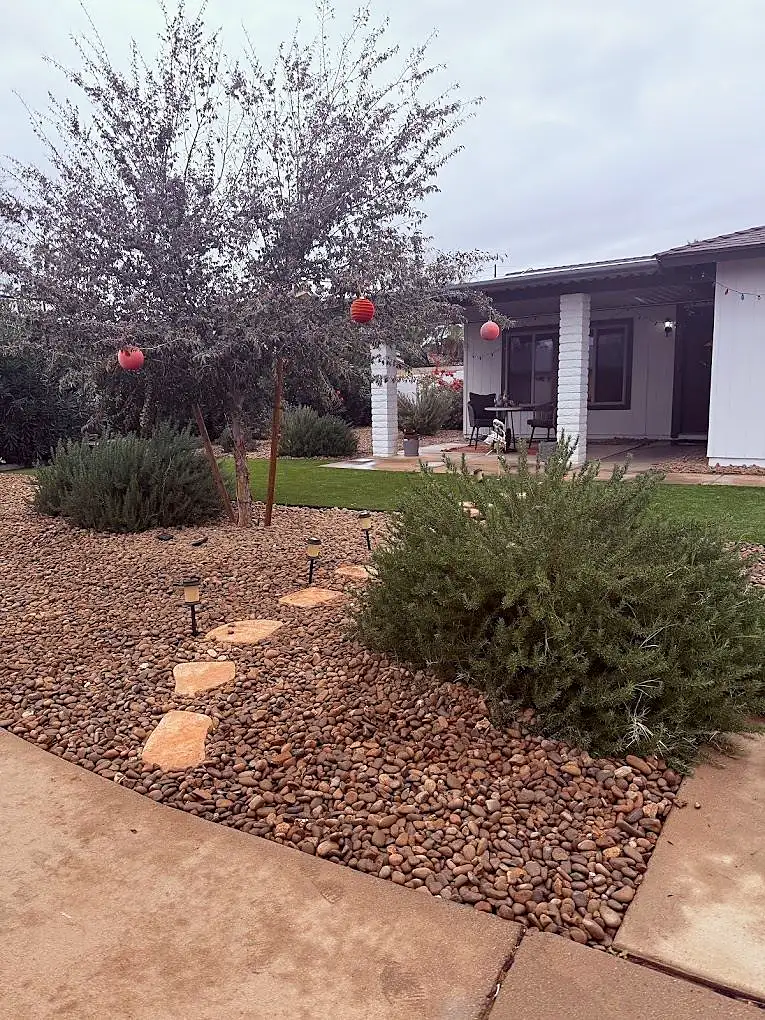
South Peoria has older, flat neighborhoods with mature landscaping. Moving north, the city takes in master-planned communities such as Vistancia and stretches up toward Lake Pleasant Regional Park, where homes sit in rolling, rocky desert with saguaros, palo verdes and washes. Many of the newer northern neighborhoods are HOA-managed and gated.
Local conditions and what grows well
Northern Peoria sits higher and more open than the valley floor, and winter nights can dip lower, so frost-tender plants need protected spots. Rocky soils drain well but can be hard to dig. Southern Peoria lots are easier to work but often have caliche. Plants that suit Peoria include:
- For north Peoria desert lots: Foothills palo verde, ironwood, brittlebush, creosote, ocotillo and Parry's agave, which handle cold snaps well.
- For south Peoria yards: Desert Museum palo verde, mesquite, Texas ranger and Baja fairy duster.
- Accents anywhere: Golden barrel cactus, red yucca, desert spoon and Mexican fence post cactus.
- Wildflower color: Desert marigold, globe mallow and penstemon for spring blooms that bring in hummingbirds and native bees.
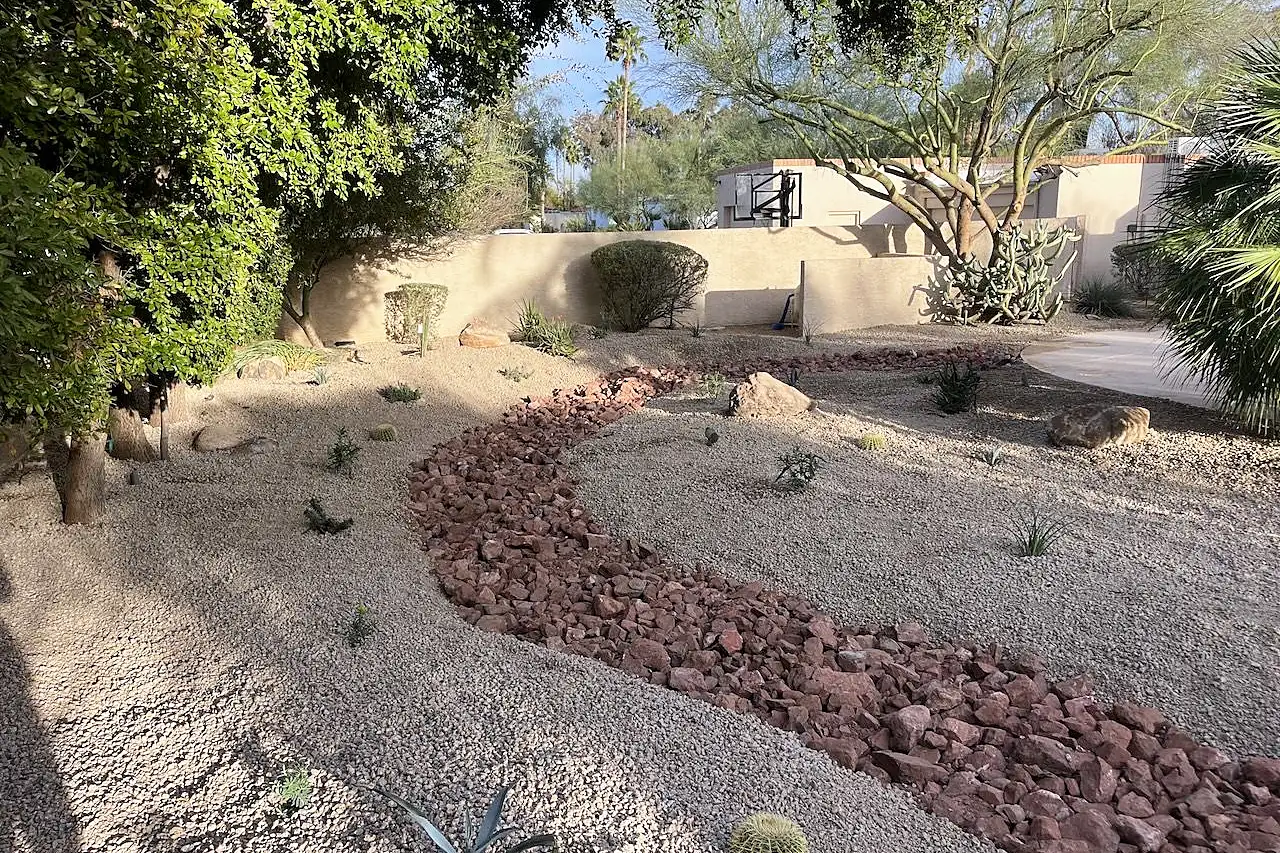
On sloped or rocky lots, cactus and agaves often look best in natural drifts set among boulders, mimicking the desert beyond the back wall. Our cactus and agave planting page covers spacing and placement.
Best times to plant
Fall is ideal throughout Peoria, giving roots months of mild weather before summer. In north Peoria, wait until after the coldest nights pass before planting frost-tender varieties, or choose cold-hardy natives instead. Cactus and agaves establish fastest in warm spring and early summer soil. Whatever the season, new plants need steady water through their first year before they can live on less.
Water and rebates in Peoria
Peoria takes applications for a Xeriscape Conversion Rebate with a 500 square foot minimum and two plant canopy tiers (25% and 50%). We could not find the dollar amounts on the city website, so contact the conservation office at (623) 773-7561 before you plan around it. Compare Valley rebates.
Planting notes for Peoria
Peoria runs from established neighborhoods in the south to open desert near Lake Pleasant in the north, where lots are rockier and native plants blend best with the surrounding desert.
Plants we recommend in Peoria
- Desert Museum palo verde and Texas ebony for shade
- brittlebush and desert milkweed to blend with native desert
- Texas mountain laurel for screening
- desert spoon and Parry's agave for accents
Helpful guides: drought-tolerant plant list, Phoenix xeriscape cost guide, Valley rebate guide.
How it works in Peoria
Pick your plants at threetimbersshop.com. Add planting and our plant survival warranty at checkout if you would like. Delivery is free anywhere in the Valley on orders over $150, including the far north end of Peoria.
We come out twice. On day one, the delivery team drops off your plants, and you do not need to be home. On day two, the planting crew plants them. A lot of north Peoria communities are gated, so send the gate code before delivery day to keep things on schedule.
Xeriscape design and installs are booking now
We are booking xeriscape projects again: consultation, design and installation, with native plants, weed fabric, landscape rock, dry riverbeds and boulders. Dry riverbeds are especially useful on Peoria lots where monsoon runoff needs somewhere to go. We also give advice on optimizing your irrigation.
Get started in Peoria
Order plants and planting at threetimbersshop.com, or call (612) 214-1955 with questions.
Frequently Asked Questions
Does Peoria have a grass removal rebate?
Peoria accepts applications for a Xeriscape Conversion Rebate with a 500 square foot minimum and two canopy tiers. Contact conservation@peoriaaz.gov for current amounts.
What plants blend with the desert in north Peoria?
Natives like brittlebush, desert milkweed, palo verde, desert spoon and agave fit naturally near open desert.
Do you deliver plants to Peoria?
Yes. Delivery is free on orders over $150, and we plant the next day.