The plants and what makes each one different
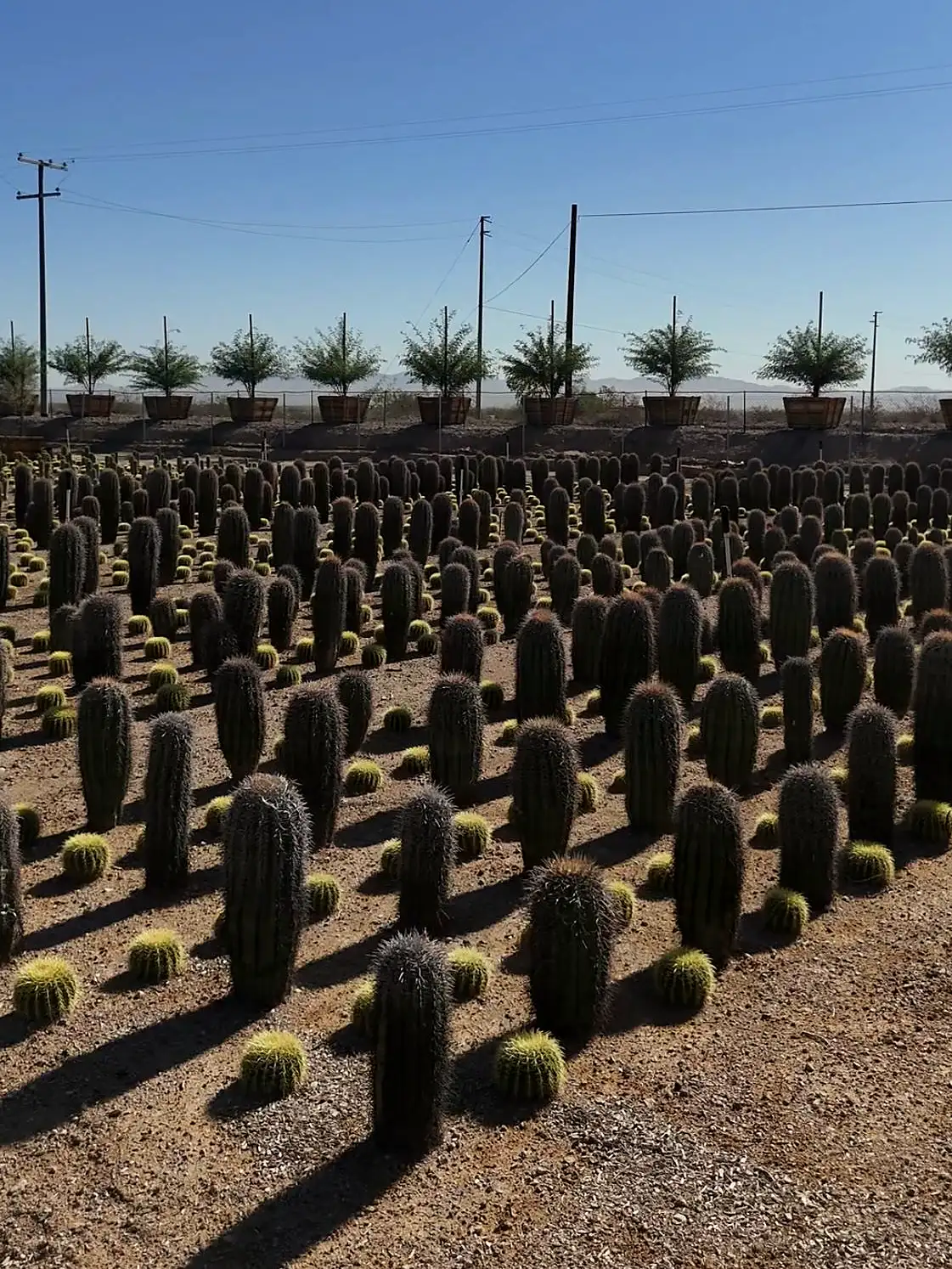
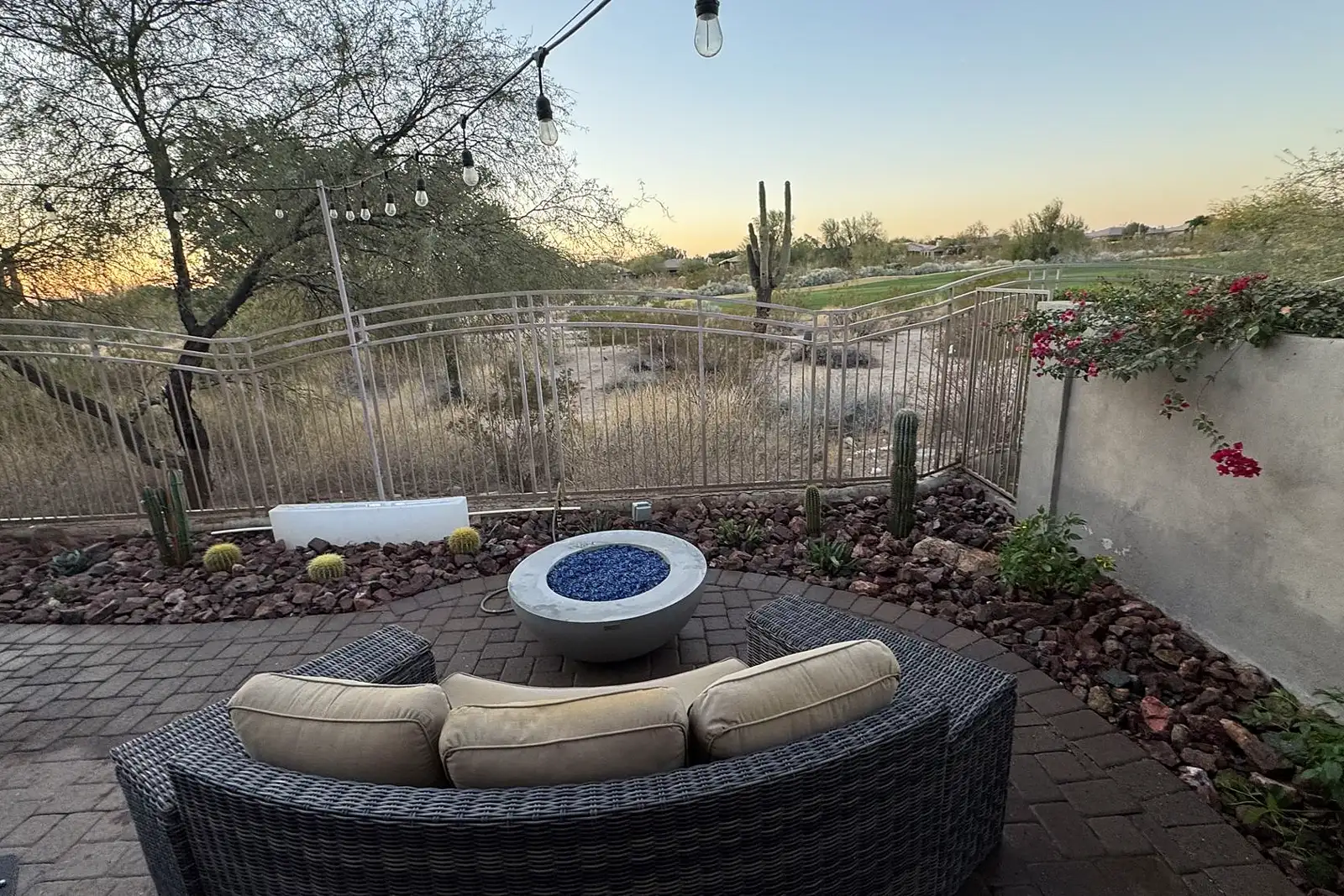
- Cactus. Golden barrel, hedgehog, prickly pear, totem pole and columnar cacti store water in their stems and need excellent drainage.
- Agave. Bold rosettes in sizes from small accents to dramatic specimens. Most agaves bloom once after many years and then die, often leaving offsets (pups) to carry on. Browse agaves.
- Aloe. Soft-leaved succulents with winter flowers that hummingbirds love. Many prefer afternoon shade in the low desert and some are frost tender.
- Yucca. Upright, sword-leaved plants that handle full sun and heat with little fuss.
- Hesperaloe. Red and yellow yucca are spineless, clumping and bloom through the warm season, which makes them perfect near walkways and pools.
See our full collection of cacti, agaves, aloes and succulents.
Handling spiny plants safely
Spines and sharp leaf tips are the main hazard during planting. Thick leather gloves help with small plants, but larger cactus are easier to move with a wrap of old carpet, folded newspaper, foam or a blanket held by straps. Kitchen tongs work for small barrels. Keep agave leaf tips pointed away from you while lifting, and wear long sleeves and eye protection when working around large agaves. Lift from the base or the wrapping, never by the spines.
Orient the plant to the sun
Sunburn is one of the most common causes of damage to newly planted cactus. A plant that grew with one side facing north has thinner protection on that side. Suddenly facing it south can scorch it, leaving yellow or white patches that turn tan and scarred. If the plant came from the ground, mark the south side before moving it and plant it facing the same way. Nursery-grown plants that were shaded may also need time to adjust to full desert sun, and shade cloth over the hottest weeks of the first summer is cheap insurance.
Drainage is everything
More cactus and agaves are lost to rot than to drought. They need soil that drains fast and must never sit in standing water.
- Plant on a mound or slope where possible, never in a low spot that collects monsoon runoff.
- Keep succulents out of tree and shrub watering basins and away from heavily watered zones.
- Plant at the same depth the plant grew before. Burying the stem or base invites rot.
- Test drainage in caliche soil. If a test hole holds water overnight, choose a different spot or break through the hardpan.
- Top dress with rock rather than organic mulch, keeping it clear of the base.
Watering after planting
Succulents with cut or damaged roots are vulnerable to rot if watered immediately. Common practice for bare-root cactus is to let any damaged roots callus for several days, plant into dry soil, and wait about a week before the first watering. Container-grown plants with intact roots can usually be watered lightly at planting. After that, water deeply but infrequently, letting the soil dry between waterings. Most established cactus need little supplemental water except during long dry stretches in summer, while agaves and aloes appreciate occasional deep soaks in the heat. Cut back in winter, when cool, wet soil is a recipe for rot.
Signs of trouble
- Soft, dark or mushy areas at the base usually mean rot. Cut back watering and check drainage.
- Bleached or yellow patches on the sunny side point to sunburn. Add temporary shade.
- A collapsing agave center can signal agave snout weevil, a common Valley pest. Inspect the base and remove affected plants promptly.
- Shriveled pads or stems in summer can mean the plant needs a deep watering.
When to plant cactus and agave
Unlike most landscape plants, cactus and many succulents can be planted during the warm months, when their roots grow actively. Fall and spring remain excellent choices too. During the hottest stretch of summer, provide temporary shade and avoid watering bare-root plants until they have settled. Frost-tender aloes and some agaves are best placed near walls or under a canopy for winter protection.
Placement tips
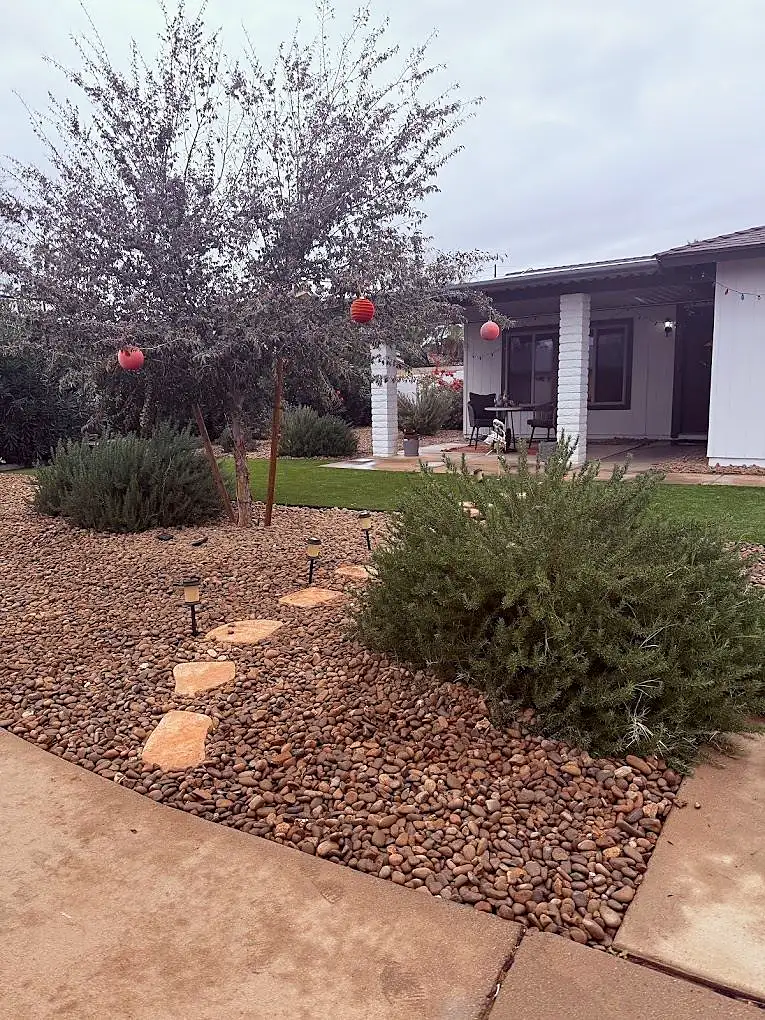
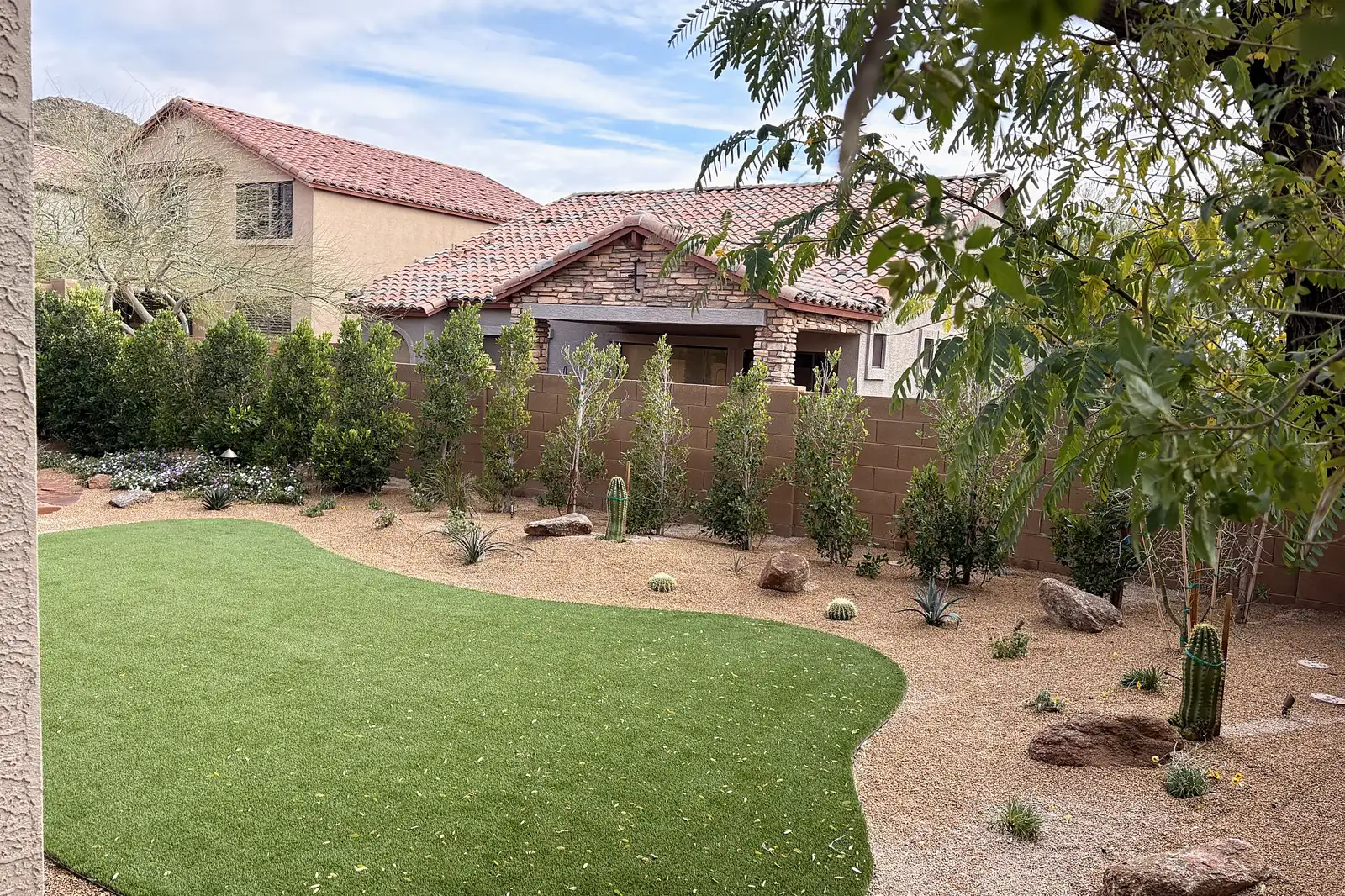
Keep spiny plants at least a few feet back from walkways, driveways, pools and play areas, and remember to allow for mature size. A small agave can grow several feet wide. Group succulents together on a dry zone rather than mixing them into heavily watered beds. Boulders and mounds make natural companions and help with drainage, an approach we use in our xeriscape designs.
Let our crew handle the spines
Order cactus, agaves and succulents at threetimbersshop.com and add installation and a plant survival warranty at checkout. Delivery is free Valley-wide on orders over $150. The delivery team drops your plants off one day, and the planting crew comes the next day to plant them. We stand by a 100% satisfaction guarantee. If you're not absolutely satisfied with our service, simply let us know, and we will work tirelessly to make it right.
Add some desert structure
Shop cacti and succulents at threetimbersshop.com, or call (612) 214-1955 to request a quote if you want succulents built into a full xeriscape design and installation.
Frequently Asked Questions
Can I plant cactus in the summer in Phoenix?
Yes. Cactus and many succulents root actively in warm weather, so they tolerate warm-season planting better than most plants. Provide temporary shade during the hottest weeks and hold off on watering bare-root plants for about a week.
Why is my new cactus turning yellow or white?
That is often sunburn, which happens when a plant faces more intense sun than it is used to. Plant it in the same orientation it grew in and add shade cloth during its first summer.
How do I keep agave and cactus from rotting?
Plant at the original depth in fast-draining soil, avoid low spots and watering basins, and let soil dry between waterings. Water much less in winter.
How do I move a large cactus without getting stuck?
Wrap it in old carpet, a blanket or foam secured with straps, wear heavy gloves and long sleeves, and lift from the wrap or base, never by the spines.
Which succulents are safe near walkways and pools?
Spineless hesperaloe and soft-leaved aloes are good choices near foot traffic. Keep spiny agaves and cactus a few feet back.
Recent Valley plantings