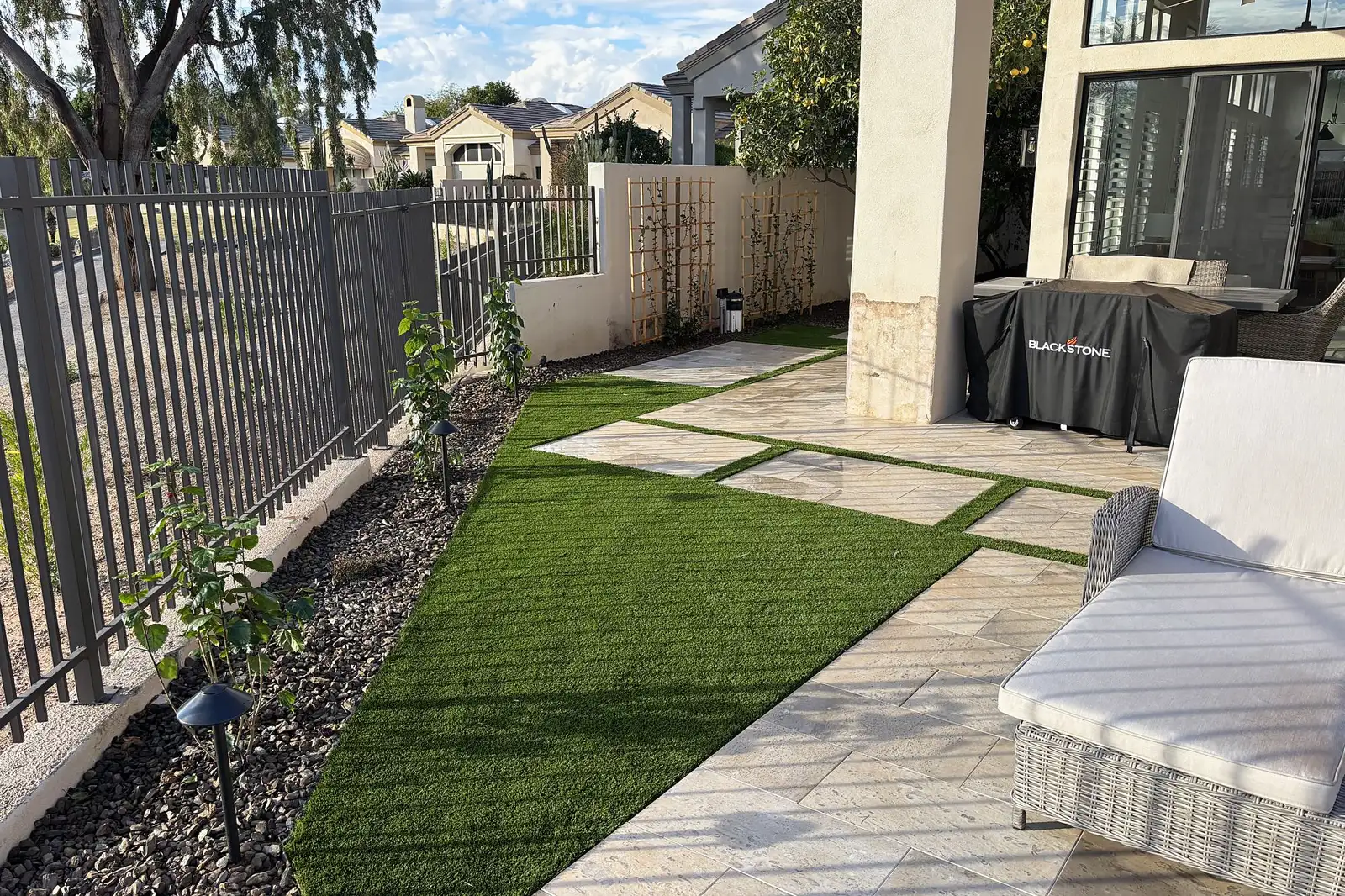
Popular privacy plants for the low desert
Indian laurel ficus
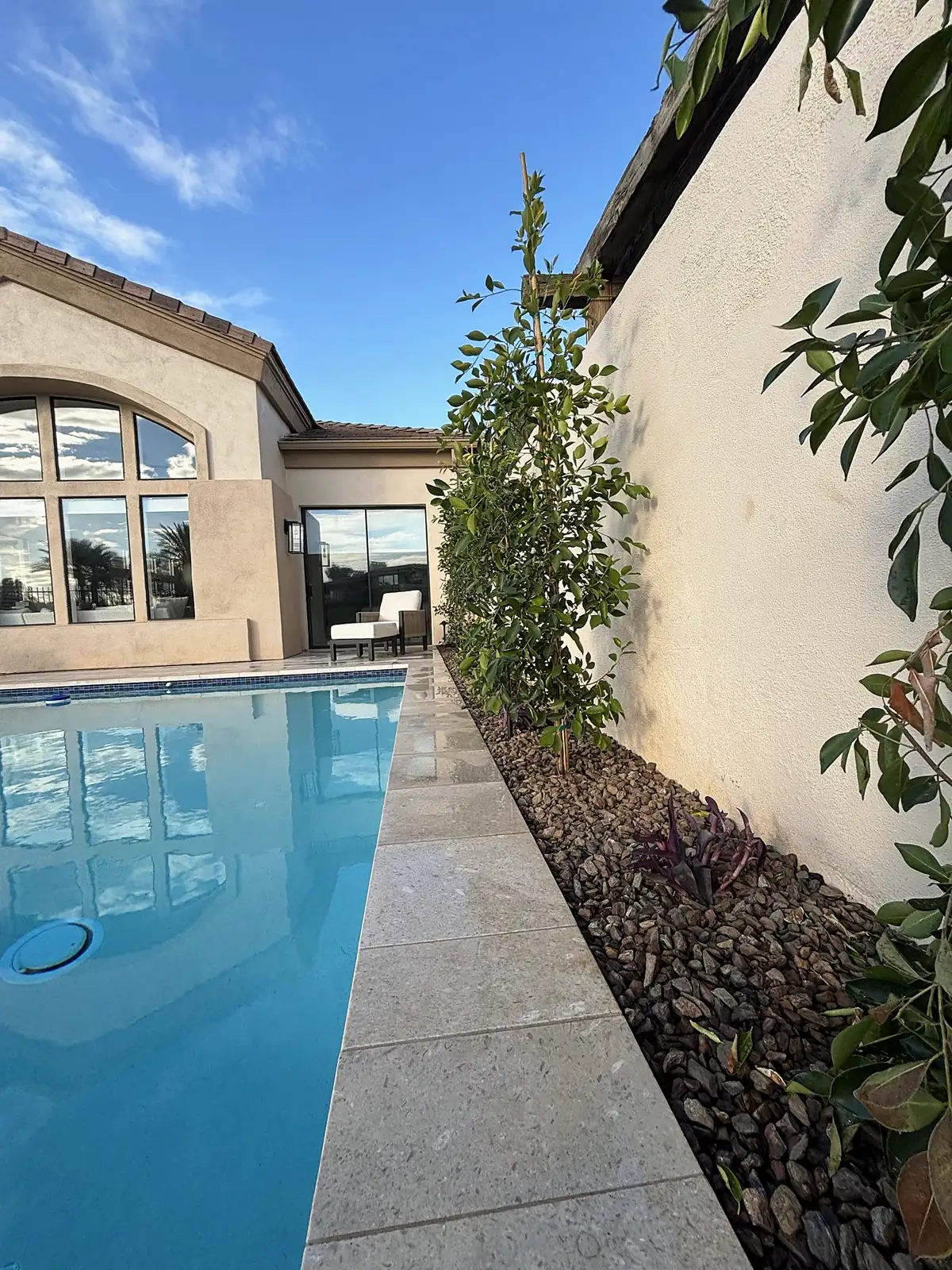
Indian laurel ficus is a dense, glossy evergreen that can be grown as a tall hedge or a full tree. It grows quickly in heat and makes one of the most complete screens available in the Valley. The tradeoffs: young plants can be damaged by hard frost, and its roots are aggressive, so keep it well away from pools, foundations, block walls, sidewalks and plumbing.
Hopseed
Hopseed is a fast, upright evergreen shrub that tolerates heat, wind and drought once established. Its narrow habit works well in tighter side yards and along walls where a wide shrub would crowd the space. Green and purple-leaf forms are available. Browse hopseed.
Dwarf myrtle
Dwarf myrtle is a compact, fine-textured evergreen with fragrant leaves. It is ideal for a lower, more formal hedge along walkways, patios or the front of a bed, rather than for blocking a second-story view.
Oleander
Oleander has been a Valley screening workhorse for decades: tough, evergreen, heat tolerant and covered in flowers for much of the warm season. Dwarf varieties stay smaller. Keep in mind that all parts of the plant are toxic if eaten, so many families avoid it where small children or pets play. Oleander leaf scorch, a bacterial disease, has also affected oleanders in parts of the Valley.
Carolina cherry
Carolina cherry is a dense, dark green evergreen that works well as a hedge or small tree. In the low desert it does best with some afternoon shade, such as on the east or north side of a house, and may struggle against a blazing west-facing wall.
Bougainvillea espaliers
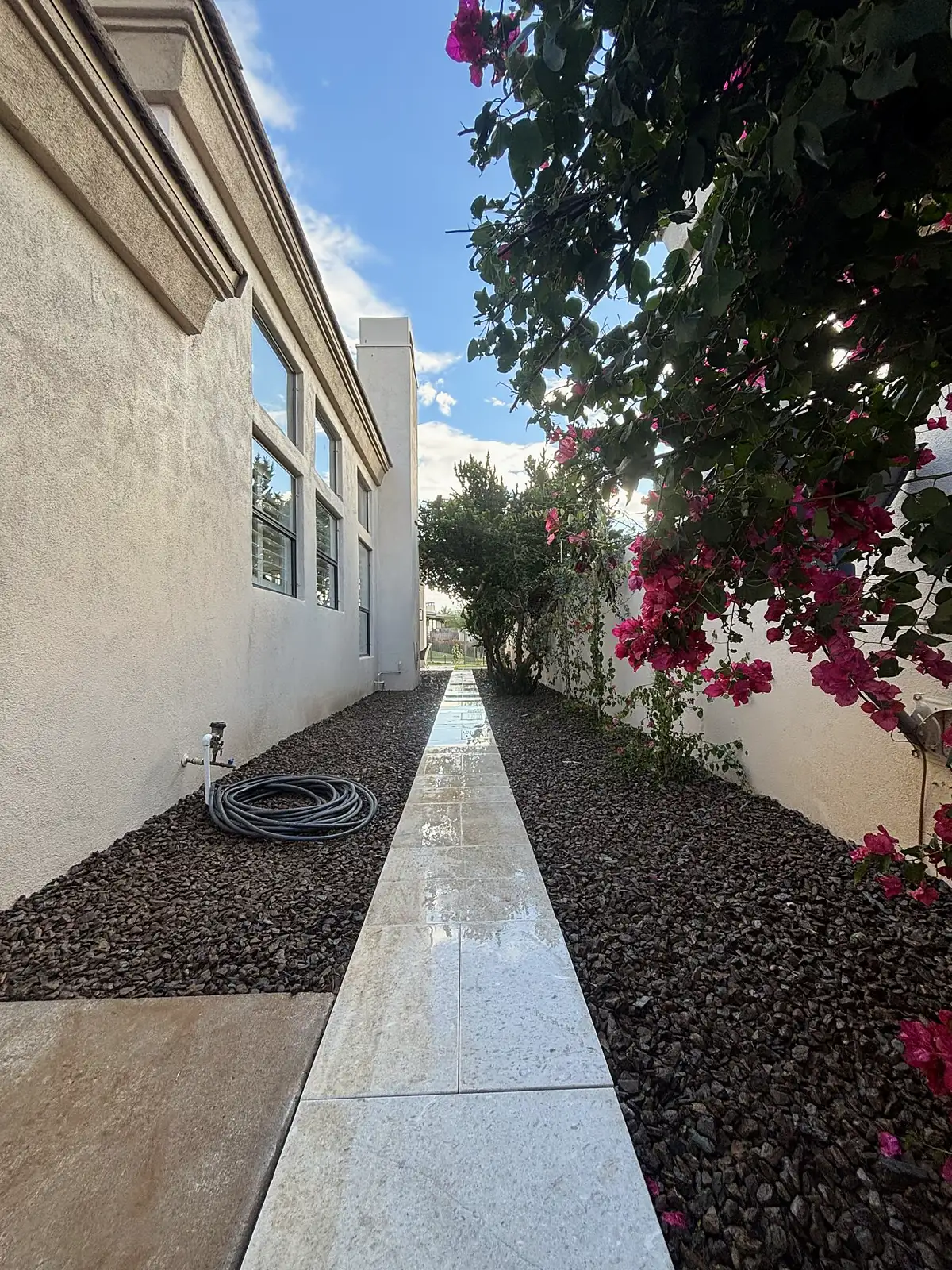
When you have little room, an espalier trained flat on a trellis against a wall adds height and color without taking up yard space. Bougainvillea thrives in heat and blooms heavily, but it is frost tender and its roots dislike disturbance, so plant it without breaking up the root ball, and choose a warm, protected wall. Browse espaliers and bougainvillea.
See our full evergreen privacy collection to compare options.
How far apart to plant a privacy hedge
Spacing depends on how quickly you want a solid screen and how big the plant gets. A common approach is to space plants at roughly half to two-thirds of their mature width. Closer spacing fills in sooner but means more competition and more trimming later. Wider spacing costs less up front but takes longer to close the gaps.
- Measure the length of the wall or fence you want to screen before you order.
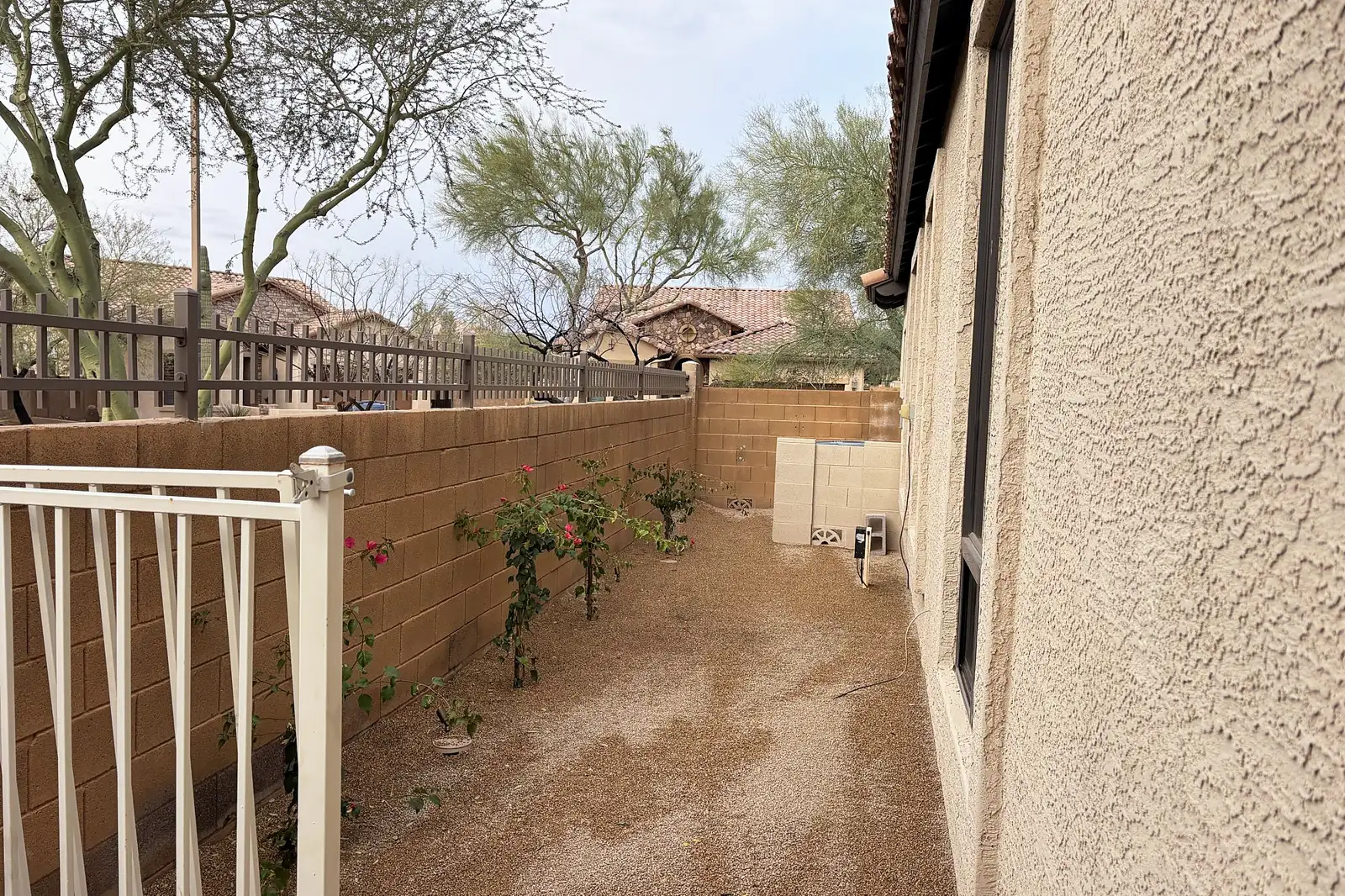
- Plant at least a few feet out from block walls so the hedge has room to grow on both sides and air can move behind it.
- Check the mature height against what you need to block. A plant that tops out at six feet will not hide a second-story window.
How fast will it grow?
Growth depends on the plant, the sun, the soil and the water. Fast growers like Indian laurel ficus and hopseed can put on noticeable height each warm season with consistent deep watering. Slower plants take longer but often need less trimming. Planting in fall gives a hedge a head start, since roots grow through the mild months and the plants are ready to push new growth in spring.
Walls, HOAs and neighbors
Before planting along a shared wall or street side, check your HOA guidelines. Many communities limit plant height along view fences or street frontages, require approval for new plantings or have an approved plant list. Keep hedges trimmed back from sidewalks and keep sight lines open near driveways and corners. On a shared wall, a quick conversation with your neighbor helps, since roots and branches do not respect property lines. Our HOA landscaping guide covers the approval process.
Planting and early care
Dig each hole about twice as wide as the root ball and no deeper, set the plant at grade, backfill with native soil and water deeply. Build a small basin around each plant. Drip emitters on each plant, rather than a single line along the hedge, help every plant establish evenly. See drip irrigation in Arizona for emitter placement and seasonal adjustments. Hold off on hard shearing until plants have filled out; light tip pruning encourages density from the base up.
Let us plant your hedge
Order your privacy plants at threetimbersshop.com and add planting and a plant survival warranty at checkout. Delivery is free Valley-wide on orders over $150. Our delivery team drops plants off one day and our crew plants them the next, and you do not need to be home for the drop-off. We back our work with a 100% satisfaction guarantee. If you're not absolutely satisfied with our service, simply let us know, and we will work tirelessly to make it right.
Get your privacy back
Shop evergreen privacy plants at threetimbersshop.com. If your hedge is part of a bigger backyard plan, call (612) 214-1955 to request a quote for xeriscape design and installation.
Frequently Asked Questions
What is the fastest growing privacy hedge in Phoenix?
Indian laurel ficus and hopseed are among the fastest in Valley heat with consistent deep watering. Ficus forms a very dense screen but needs room for its aggressive roots.
How far apart should I plant privacy shrubs?
A common approach is roughly half to two-thirds of the plant's mature width. Closer spacing fills in sooner; wider spacing takes longer but needs less thinning later.
Can I plant a hedge right against my block wall?
Leave a few feet between the wall and the hedge so plants can grow evenly and air can move behind them. Keep aggressive-rooted plants like ficus well away from walls and foundations.
Is bougainvillea a good privacy plant?
Trained as an espalier on a warm, protected wall, bougainvillea adds height and color in tight spaces. It is frost tender and its roots dislike disturbance, so plant carefully.
Does my HOA need to approve a privacy hedge?
Many do, especially along street frontages and view fences. Check your HOA guidelines for approval rules, plant lists and height limits before planting.
Recent Valley plantings